
About Us
Carbon Dioxide is a huge problem
Carbon dioxide emissions or CO2 emissions are emissions stemming from the burning of fossil fuels and the manufacture of cement; they include carbon dioxide produced during consumption of solid, liquid, and gas fuels as well as gas flaring. Emissions are growing, and the environment is suffering from it. Phytoplankton is set to aid in reducing carbon emissions.

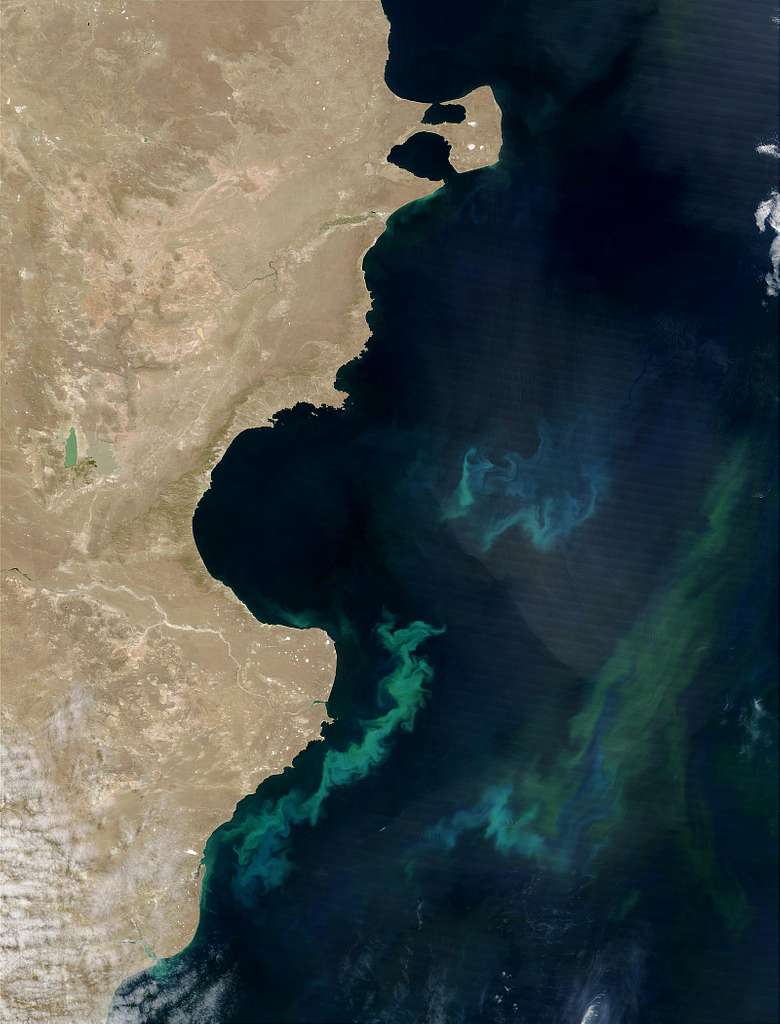
Phytoplankton are tiny creatures that form the base of the ocean’s food chain and are an integral part of a major biological carbon pump. The majority float in the upper reaches of the water, where sunlight reaches them readily.
By sucking up carbon dioxide during photosynthesis, the microscopic plants have a significant impact on the amounts of carbon dioxide in the atmosphere. It is a natural sink and one of the primary methods for removing CO2, the most prevalent greenhouse gas, from the atmosphere. Understanding how and why phytoplankton blooms each spring is crucial for understanding how Earth’s biological systems may adapt to global climate change.
While the ocean absorbs atmospheric carbon dioxide, phytoplankton photosynthesises it into sugars that cells may utilise for energy, so creating oxygen.
The phytoplankton cells absorb the CO2 and ultimately drop to the ocean’s bottom when they die. The biological health of the globe is dependent on periodical plankton blooms, such as the one that occurs each spring in the North Atlantic, when massive amounts of phytoplankton gather across thousands of square miles.