by phytocat | Apr 18, 2022 | low carbon
Oceans, swarming with a bounty of lives, play a critical role in maintaining the balance of the World’s ecosystems and mitigating climate changes. The driving force comes from phytoplankton, the plant-like microorganisms that live in swirling seawater in their...
by phytocat | Apr 18, 2022 | faq
The ocean is a major carbon sink, removing around a quarter of the CO2 that is emitted into the atmosphere. Phytoplankton are the primary producers of marine biomass and are responsible for the uptake of around a third of the CO2 that is absorbed by the ocean....
by phytocat | Apr 17, 2022 | faq
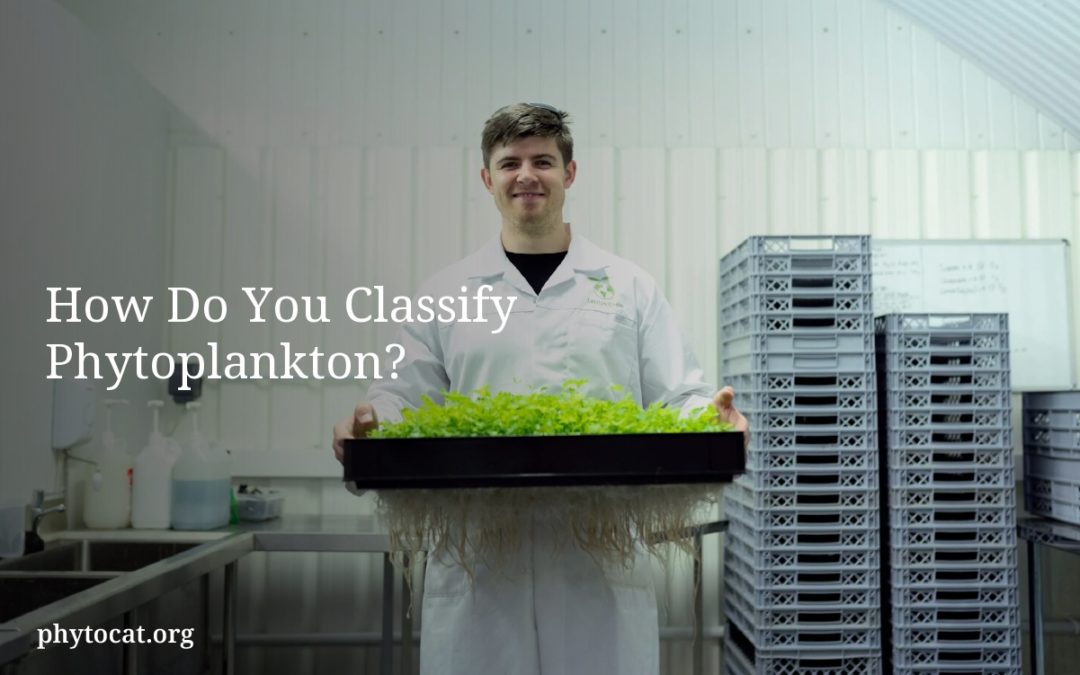
Phytoplankton are a type of aquatic microorganism that are small enough to be seen with the naked eye. They are the most common type of plant life in the world’s oceans, and account for about a quarter of all plant life on Earth. Phytoplankton are classified according...
by phytocat | Apr 16, 2022 | faq
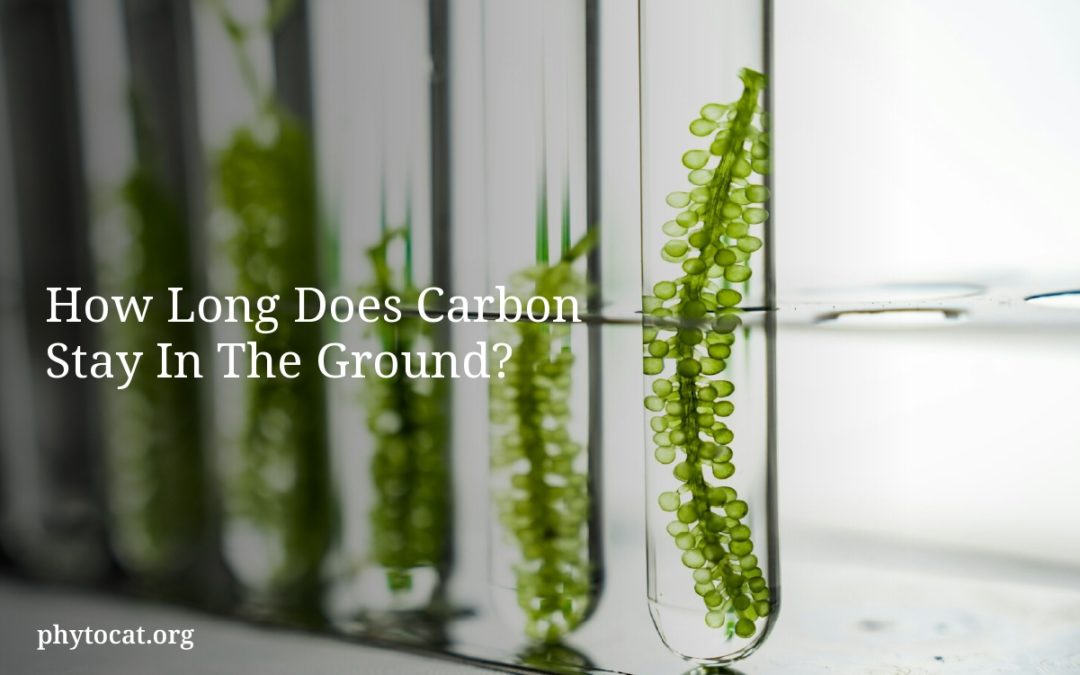
Carbon dioxide stays in the atmosphere for about 100 to 800 years.How Much Carbon Dioxide Do Plants Release At Night?Phytoplankton are tiny plants that live in the ocean and release carbon dioxide at night. Phytoplankton are a major source of carbon dioxide in the...
by phytocat | Apr 16, 2022 | faq
The two major ways in which co2 enters the ocean are through the atmosphere and through the water. The atmosphere is a major source of co2 because of the burning of fossil fuels. The burning of these fuels releases co2 into the atmosphere, where it can react with...