by phytocat | Feb 1, 2022 | faq
Phytoplankton are microscopic plants that live in the ocean and remove carbon dioxide from the atmosphere. They do this by photosynthesis, which is the process of converting sunlight into chemical energy that the plants can use to create their own food. Phytoplankton...
by phytocat | Jan 31, 2022 | faq
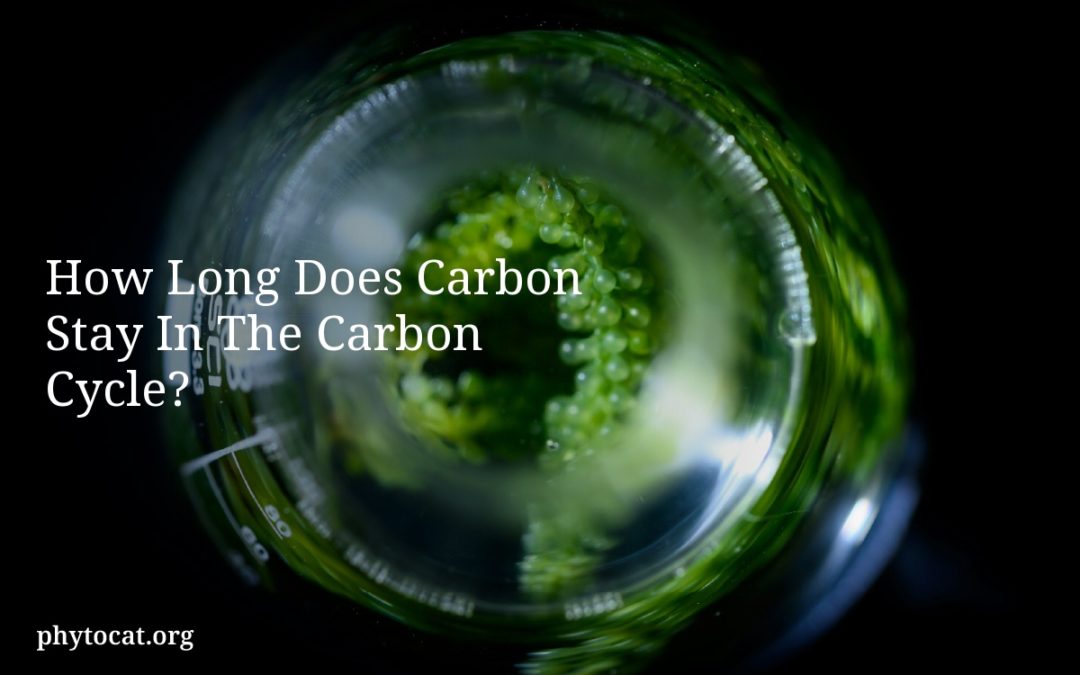
The carbon cycle is a series of interactions between the atmosphere, land, and oceans that allow for the exchange of carbon between these three systems. The cycle begins with the uptake of carbon dioxide (CO2) by plants and other photosynthetic organisms. This process...
by phytocat | Jan 28, 2022 | faq
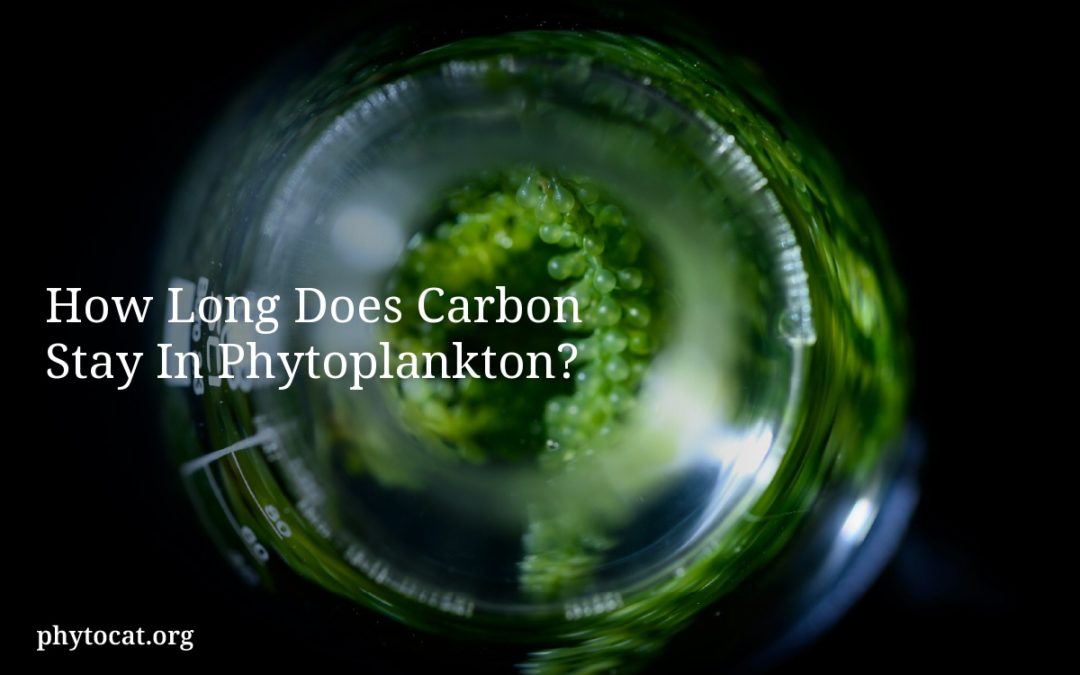
Carbon is the most abundant element in the Earth’s atmosphere, making up about 0.04% of the air. It is also the most abundant element in phytoplankton, making up about 60% of their mass. Phytoplankton are the main producers of oxygen in the atmosphere. They can also...
by phytocat | Jan 25, 2022 | faq
The oceans are a vast repository of carbon dioxide. Phytoplankton, which are tiny single-celled plants, use sunlight to create organic matter from inorganic substances. This organic matter is broken down by bacteria and other organisms, releasing carbon dioxide and...
by phytocat | Jan 23, 2022 | faq
Phytoplankton are microscopic plants that live in the ocean and other bodies of water. They are a major part of the food chain and play a vital role in the marine ecosystem. Phytoplankton are found in all climates and depths of the ocean. They are especially abundant...
by phytocat | Jan 23, 2022 | faq
There is no one answer to this question as it depends on a variety of factors, including the size and composition of the ocean, the location of the ocean, and the type of phytoplankton. However, it is possible to capture CO2 in the ocean using a variety of methods,...