by phytocat | Jan 4, 2022 | faq
Phytoplankton are tiny plants that live in the ocean. They are important because they produce oxygen gas. Some people think that phytoplankton make water unsafe to drink because they can produce toxins. However, the amount of toxins that phytoplankton produce is very...
by phytocat | Jan 1, 2022 | faq
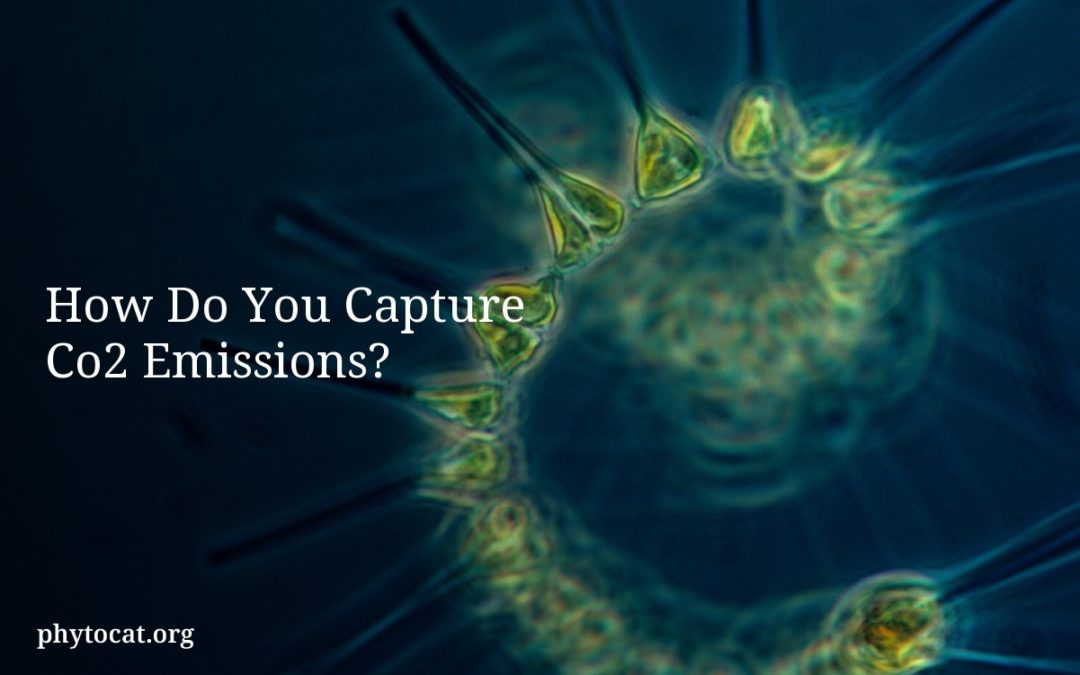
Capturing CO2 emissions from phytoplankton is a difficult task, as the gas is difficult to detect and measure. One method is to use a gas chromatograph to measure the amount of CO2 in a sample. Another method is to use a fluorometer to measure the amount of...
by phytocat | Dec 31, 2021 | faq
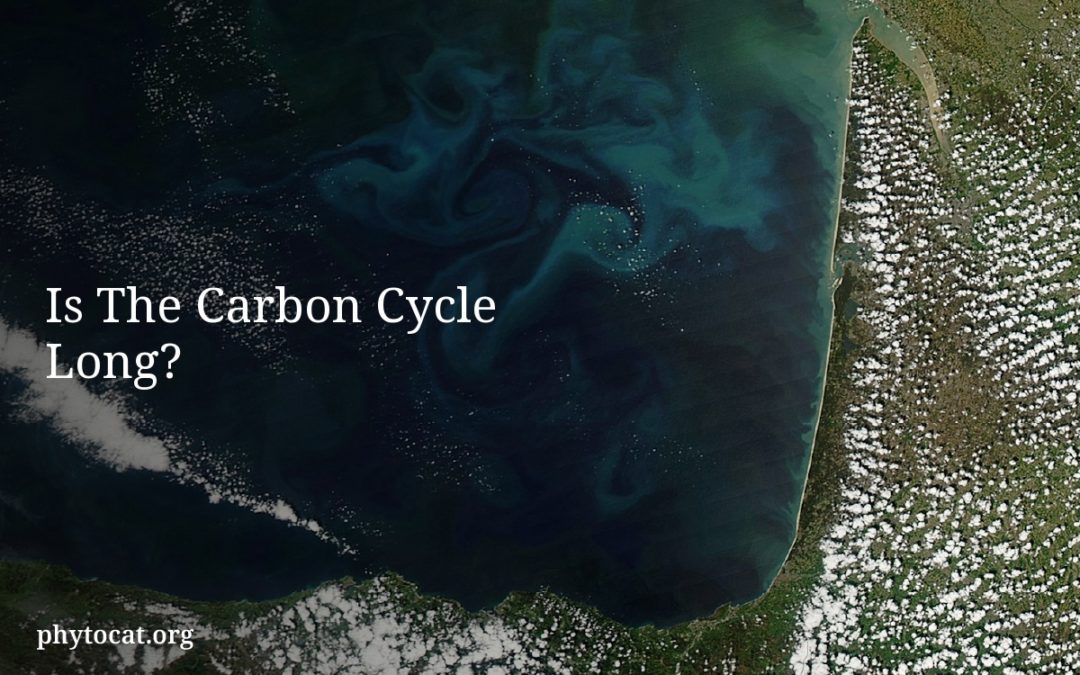
The carbon cycle is a long-term process that involves the transfer of carbon between the atmosphere, the ocean, and living things. The cycle begins when carbon dioxide (CO2) is released from the Earth’s surface. This gas is absorbed by the ocean and plants, and it is...
by phytocat | Dec 29, 2021 | faq
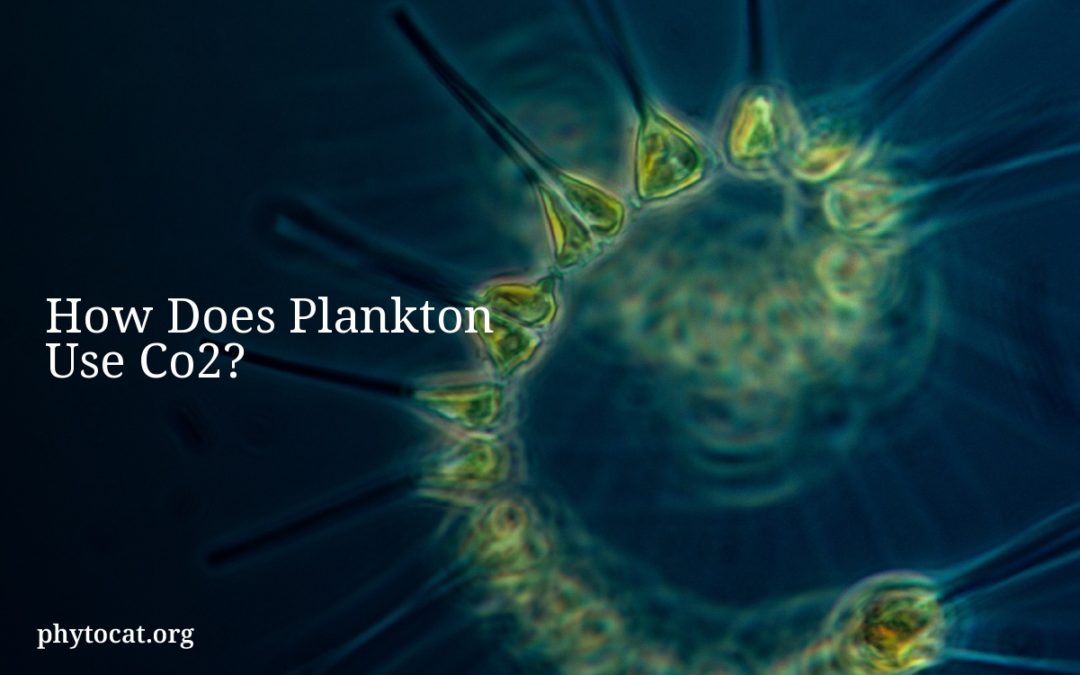
Phytoplankton are a type of plant that use carbon dioxide to photosynthesize. They are found in all oceans and are responsible for about a quarter of the world’s oceanic carbon dioxide. Phytoplankton use carbon dioxide to make glucose from water and sunlight. Glucose...
by phytocat | Dec 28, 2021 | faq
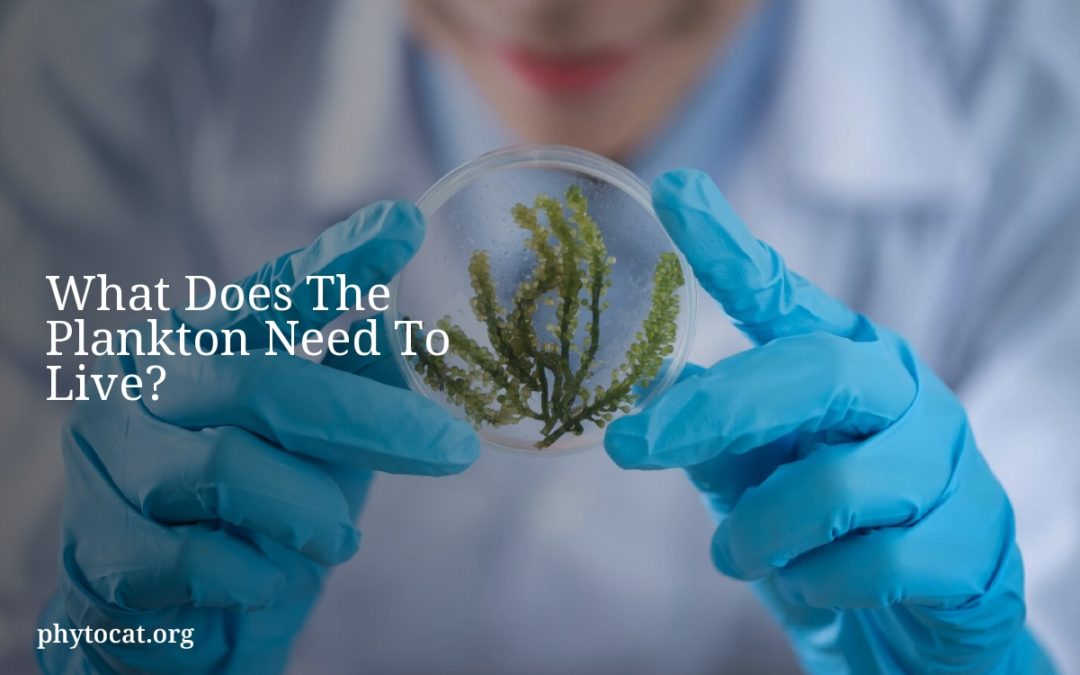
Phytoplankton are one of the most important groups of organisms in the ocean. They are responsible for the production of most of the oxygen in the atmosphere. They are also a major food source for many marine animals. Phytoplankton are tiny plants that live in the...
by phytocat | Dec 26, 2021 | faq
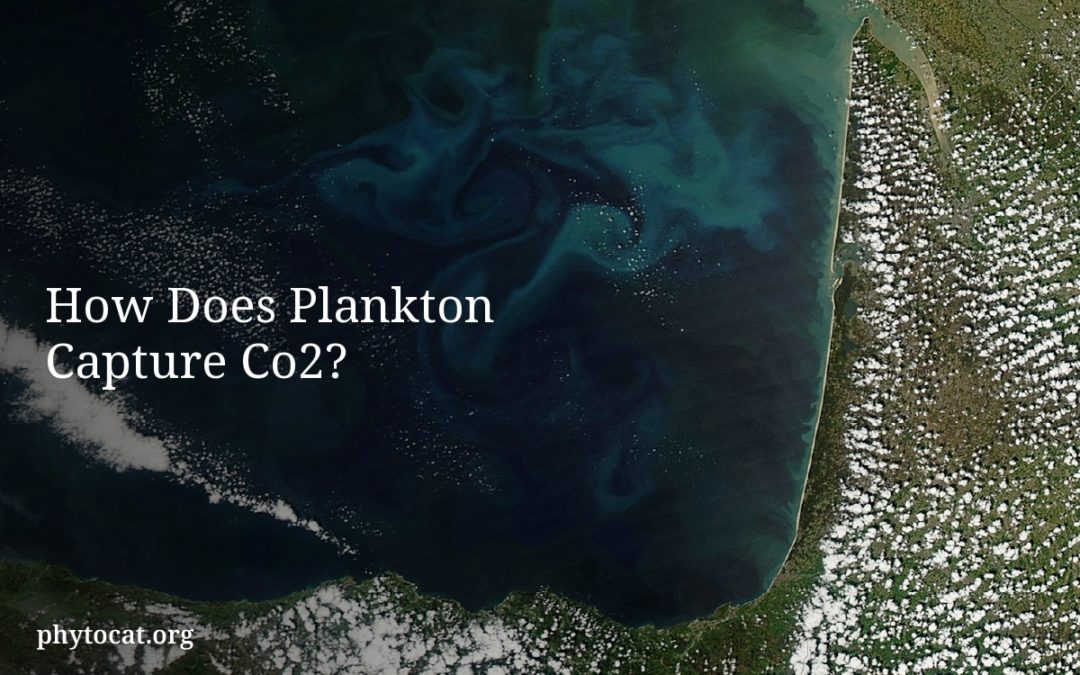
Phytoplankton are a type of aquatic plant that use sunlight and carbon dioxide to create organic matter. They are a major part of the ocean’s food chain and play an important role in the carbon cycle. Phytoplankton use photosynthesis to convert carbon dioxide and...