by phytocat | Apr 21, 2022 | faq
Carbon is stored in different ways in different plants. In land plants, carbon is stored in the form of cellulose in the cell walls. In photosynthesis, carbon is converted from the air into organic molecules, including glucose, which is then used by the plant. In...
by phytocat | Apr 20, 2022 | faq
There is a lot of debate over how much CO2 is naturally absorbed by phytoplankton. Some scientists believe that the amount absorbed is insignificant, while others believe that it could account for up to 50% of all CO2 emissions from the ocean. Regardless of the actual...
by phytocat | Apr 20, 2022 | faq
Phytoplankton are tiny plants that live in the ocean and are a major part of the food chain. They are responsible for creating the oxygen we breathe and are essential to the health of the ocean. Phytoplankton are also a major source of carbon for the Earth’s...
by phytocat | Apr 18, 2022 | faq
The ocean is a major carbon sink, removing around a quarter of the CO2 that is emitted into the atmosphere. Phytoplankton are the primary producers of marine biomass and are responsible for the uptake of around a third of the CO2 that is absorbed by the ocean....
by phytocat | Apr 17, 2022 | faq
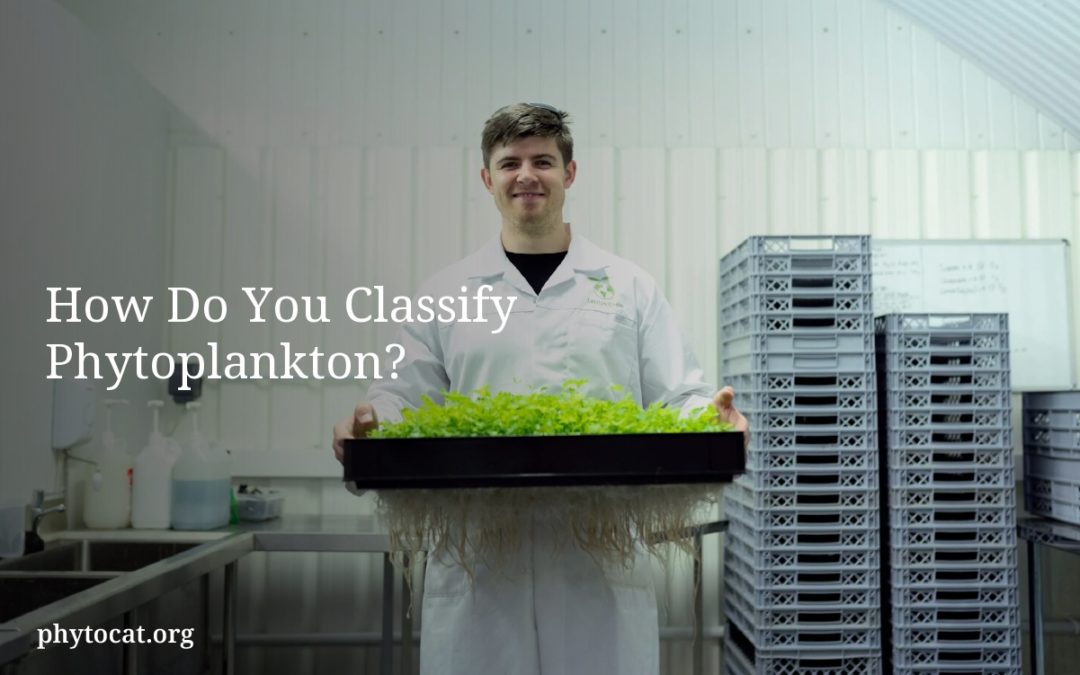
Phytoplankton are a type of aquatic microorganism that are small enough to be seen with the naked eye. They are the most common type of plant life in the world’s oceans, and account for about a quarter of all plant life on Earth. Phytoplankton are classified according...
by phytocat | Apr 16, 2022 | faq
Carbon dioxide stays in the atmosphere for about 100 to 800 years.How Much Carbon Dioxide Do Plants Release At Night?Phytoplankton are tiny plants that live in the ocean and release carbon dioxide at night. Phytoplankton are a major source of carbon dioxide in the...