by phytocat | Mar 3, 2022 | faq
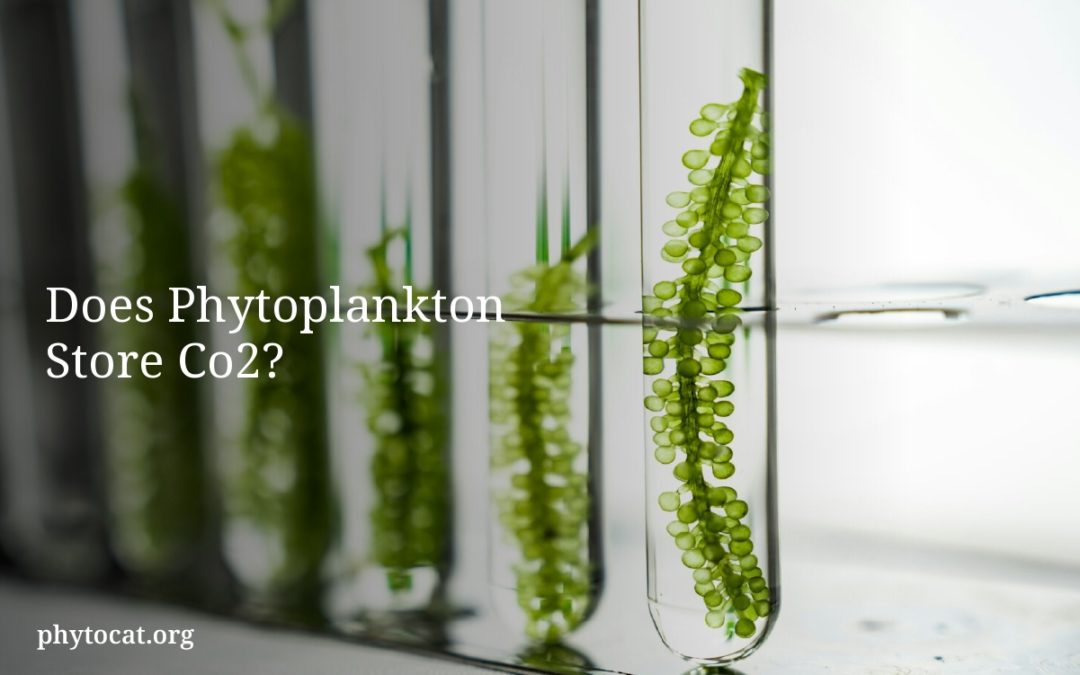
Yes, phytoplankton can store carbon dioxide in their cells. This is a process called photosynthesis. The carbon dioxide is taken in from the atmosphere and used to make organic molecules. This process is important because it helps to keep the Earth’s atmosphere in...
by phytocat | Mar 2, 2022 | faq
Plankton are tiny marine creatures that are at the base of the food chain. They are responsible for taking in carbon dioxide and releasing oxygen into the atmosphere. Plankton are important for the ocean’s ecosystem because they provide food for larger animals.How...
by phytocat | Feb 26, 2022 | faq
Phytoplankton are microscopic plants and animals that live in the water column. They play an important role in the marine food web by converting sunlight and carbon dioxide into organic matter. Phytoplankton are also responsible for the production of oxygen in the...
by phytocat | Feb 26, 2022 | faq
Plants absorb carbon dioxide through their leaves and roots. The amount of CO2 a plant can absorb is determined by its size, age, and growth rate. A young, small plant can absorb more CO2 than a older, larger plant. A fast-growing plant can absorb more CO2 than a...
by phytocat | Feb 25, 2022 | faq
Phytoplankton are tiny plants that live in the ocean and play an important role in the ecosystem. They are the first line of defense against pollution and provide food for other marine creatures. Phytoplankton are also important in the cycling of nutrients in the...
by phytocat | Feb 21, 2022 | faq
Phytoplankton are microscopic plants that live in the ocean and are a major source of oxygen in the atmosphere. They are also a major source of carbon dioxide, which helps to regulate the Earth’s climate.Phytoplankton can be captured and processed to create fuels or...