


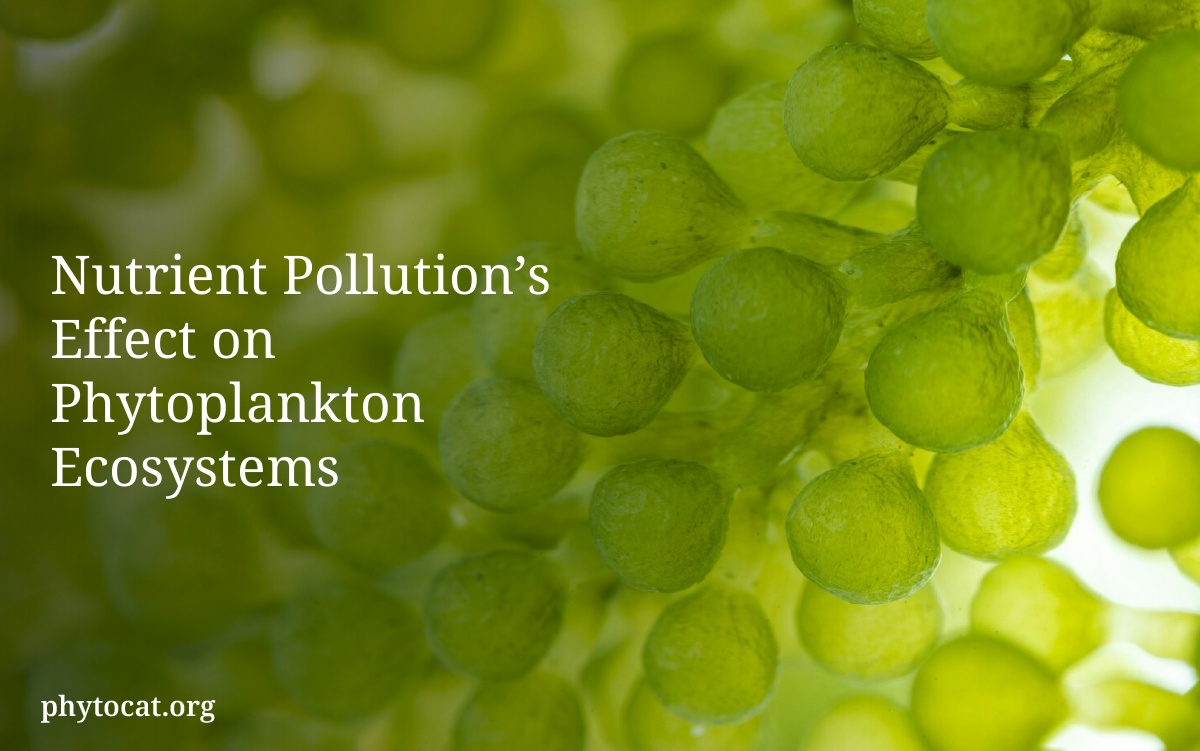


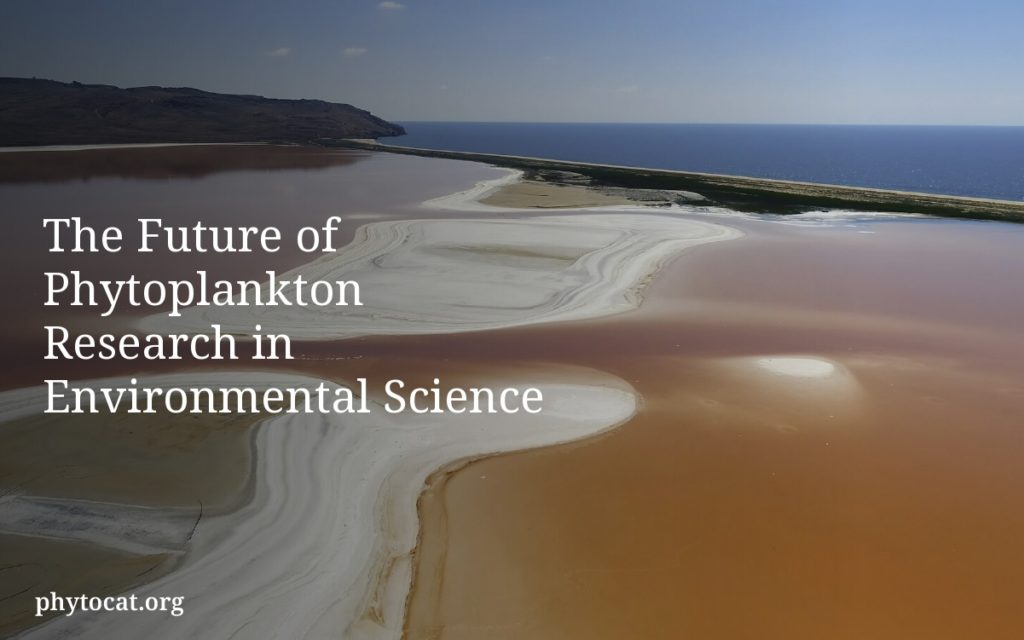
Phytoplankton are tiny organisms vital to fish farming health. They produce oxygen and serve as food for fish and crustaceans. Their presence supports aquatic ecosystems essential for sustainable fish farming.
But, it’s key to manage phytoplankton levels right. While they benefit fish farms, harmful algal blooms can be a danger. These blooms are worse in late spring and can harm fish during summer and fall. Climate changes increase these risks, so farms must guard their stock.
Monitoring water quality is critical for aquaculture health. Checking dissolved oxygen, temperature, and nutrients helps prevent dangers to fish. This way, farms can stay healthy and productive.
Overall, knowing about phytoplankton’s role is crucial. It helps improve fish farming and keeps the water healthy. This is even more important with climate change and environmental challenges.
Understanding Phytoplankton and Their Types
Phytoplankton are key in aquatic ecosystems, serving as the base of the food web. They help produce oxygen and cycle nutrients. This makes them the main food source for many sea creatures. Knowing about phytoplankton is crucial for keeping water environments healthy. This is especially true in aquaculture, where they feed young fish and crustaceans.
Importance of Phytoplankton in Aquatic Ecosystems
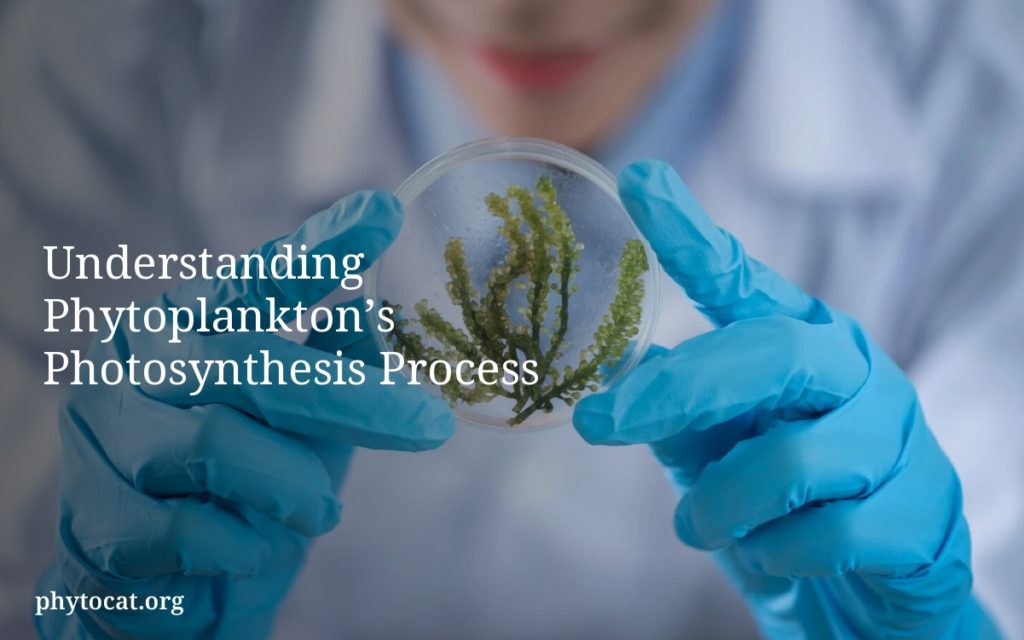
Phytoplankton are important because they carry out photosynthesis. This process changes CO2 into oxygen and provides energy to marine life. It keeps the ecological balance needed for life. Aquaculture ponds often have many types of phytoplankton, but a few species are usually most common. These main species are key to the food web and nutrient cycling. They affect the growth and well-being of farm-raised species. A good mix of phytoplankton also keeps water quality high by using up extra nutrients.
Different Types of Phytoplankton
Phytoplankton includes different groups, like microalgae and cyanobacteria. Common types are:
- Pyrrhophyta (dinoflagellates)
- Euglenophyta
- Chlorophyta (green algae)
- Heterokontophyta (diatoms)
- Cyanophyta (blue-green algae)
Each phytoplankton type has specific needs and offers different benefits. For example, Tetraselmis suecica and Isochrysis galbana are great for nutrition and are often used in hatcheries. Boyd emphasizes the importance of choosing the right phytoplankton for aquaculture. Consider factors such as how well they are digested, their nutritional value, and their role in the ecosystem. Knowing the differences helps optimize feed in aquaculture and see how phytoplankton impact environmental management.
How phytoplankton influence fish farming and aquaculture health
Phytoplankton are key in the health of fish farms. They start the food chain in aquatic environments. They feed small zooplankton, making a vital link for young fish. Healthy phytoplankton blooms can make fish grow faster and stay well. This is true even if farms use extra feed. It’s important to keep phytoplankton balanced. Too many can cause problems.
Role in Natural Food Web
Phytoplankton turn sunlight into energy in water, feeding many aquatic species. Fish and zooplankton eat them. This balance keeps fish healthy. Studies show that different types of phytoplankton boost pond productivity. Watching and managing these types helps keep food chains strong.
Oxygen Production and Water Quality
Phytoplankton help keep water quality good by making oxygen. This happens through photosynthesis. They can create more oxygen than what air provides, making a great home for fish. But, too many phytoplankton can use up oxygen at night, which is bad for fish. Managing their numbers is crucial. Regular checks help maintain healthy fish farms.
Challenges and Management of Phytoplankton in Aquaculture
Effective management of phytoplankton is key in aquaculture. It tackles the challenge of harmful algal blooms. These blooms can grow from too many nutrients, like from fertilizers and food. If not managed, these blooms suck up oxygen at night. This can harm or kill fish and shrimp.
In shrimp ponds, phytoplankton affects water quality a lot. The balance of nutrients controls the types of algae that grow. Keeping water quality in check is essential. Using aerators helps. It can lessen bad algae and boost good microalgae.
Shading can protect young shrimp and fish from too much sun. Changing 3-20% of the water daily helps control algae levels. If algae blooms occur often, chemicals like benzalkonium chloride may be used. But, they should be used carefully. A good strategy for managing phytoplankton keeps aquaculture safe and balanced.

- Poke Yoke in Manufacturing: Preventing Errors at Their Source - February 6, 2026
- Integrated Payment Systems: Fueling Scientific Advancement Through Efficient Funding - January 12, 2026
- Professional Distribution Center Cleaning Services Explained - December 13, 2025