


At the forefront of the battle against climate change, phytoplankton are tiny yet mighty. These plant-like organisms play a vital role in our planet’s carbon balance, acting as carbon sinks and contributing significantly to carbon sequestration. Through the process of photosynthesis, phytoplankton absorb carbon dioxide from the atmosphere and convert it into oxygen and carbohydrates. They are not just microscopic organisms; they are key players in the delicate balance of our ocean ecosystems, shaping the health and survival of marine life.
The Importance of Phytoplankton as Carbon Sinks
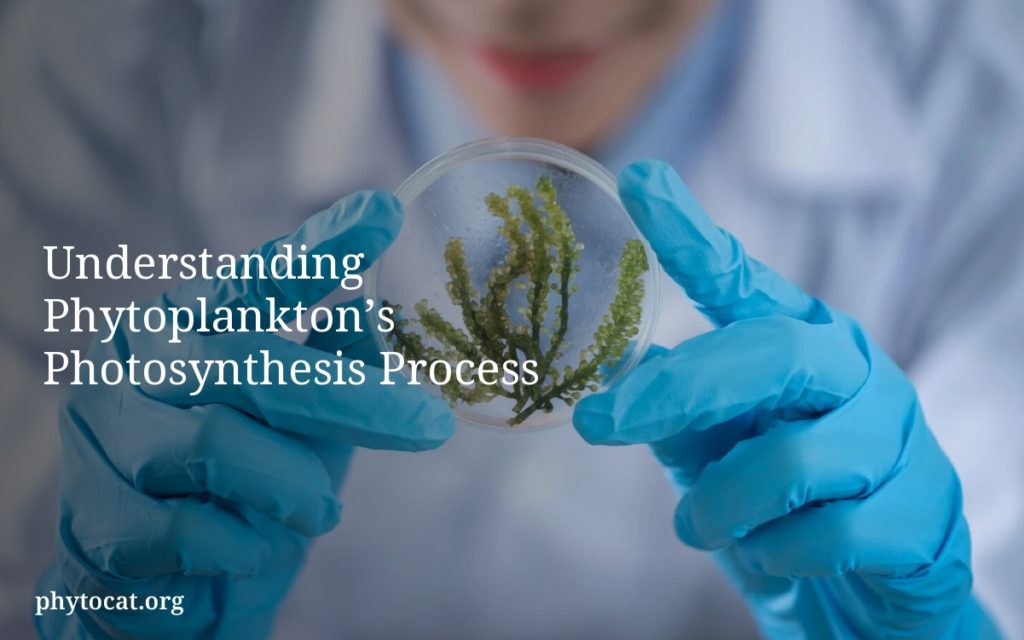
Phytoplankton play a crucial role as carbon sinks, aiding in the significant reduction of atmospheric CO2 levels and contributing to climate change mitigation. These small, plant-like organisms are highly efficient in absorbing carbon dioxide from the atmosphere and storing it within their cells. By harnessing the power of photosynthesis, phytoplankton convert this absorbed CO2 into oxygen and carbohydrates, effectively removing carbon from the atmosphere and reducing its concentration.
Estimates suggest that phytoplankton are responsible for sequestering approximately 30% of humanity’s CO2 emissions, making them an essential component in combating climate change. By acting as carbon sinks, phytoplankton help to regulate Earth’s climate and reduce the impacts of global warming. Their ability to absorb and store CO2 not only benefits the overall health of the planet but also supports the balance of marine ecosystems, as phytoplankton serve as the foundation of the ocean food web.
The Role of Phytoplankton in Carbon Sequestration:
- Phytoplankton absorb carbon dioxide from the atmosphere through photosynthesis.
- They store the absorbed carbon within their cells.
- This carbon sequestration reduces the concentration of CO2 in the atmosphere.
The Impact of Phytoplankton in Climate Mitigation:
- Phytoplankton contribute significantly to mitigating climate change by acting as powerful carbon sinks.
- Estimates suggest they sequester approximately 30% of humanity’s CO2 emissions.
- By reducing atmospheric CO2 levels, phytoplankton help regulate Earth’s climate and reduce the impacts of global warming.
It is crucial to recognize and protect the vital role of phytoplankton in carbon sequestration. Sustaining healthy populations of these organisms is essential for maintaining stable ecosystems and ensuring the long-term viability of our planet. By prioritizing their conservation and understanding their role in climate mitigation, we can work towards a more sustainable future for both human society and the natural world.
The Role of Phytoplankton in the Ocean Ecosystem
Phytoplankton, as the foundation of the ocean ecosystem, play a crucial role in sustaining marine life and maintaining the delicate balance of the food web. Through the process of photosynthesis, these microscopic organisms convert sunlight into organic matter, providing nourishment for a wide range of marine organisms. Their primary production supports the biodiversity and productivity of the entire ecosystem, making them essential for the overall health of our oceans.
The Food Web
Phytoplankton serve as the primary producers in the ocean’s food web. They are consumed by zooplankton, which in turn are consumed by larger organisms such as fish, whales, and other marine predators. The energy and nutrients obtained from phytoplankton fuel the entire food chain, ensuring the survival and proliferation of various marine species. Without phytoplankton, the entire oceanic ecosystem would be at risk of collapse, leading to severe consequences for marine life and, eventually, our own existence.
Marine Biodiversity
The presence of phytoplankton supports the incredible biodiversity found in our oceans. These microscopic organisms provide a diverse range of habitats and food sources for countless marine species, from tiny invertebrates to majestic whales. Additionally, the byproducts of phytoplankton photosynthesis, such as dissolved oxygen and organic carbon, contribute to the overall health and stability of the ecosystem. Protecting phytoplankton populations is crucial for safeguarding the biodiversity and resilience of our marine ecosystems.
Importance of Primary Production
Phytoplankton’s role in primary production, the conversion of sunlight into organic matter, cannot be overstated. They are responsible for a significant portion of Earth’s oxygen production and carbon sequestration. Through photosynthesis, phytoplankton absorb carbon dioxide from the atmosphere and convert it into oxygen, helping to regulate global climate patterns. Their ability to remove carbon dioxide from the atmosphere and store it in their cells contributes to the mitigation of climate change. Thus, the health and abundance of phytoplankton are essential for maintaining the overall balance of Earth’s ecosystems.
Climate Change Impact on Phytoplankton
Global warming and ocean acidification are having significant effects on phytoplankton communities, which in turn are disrupting entire marine ecosystems. These environmental changes are altering the growth and reproduction patterns of phytoplankton, leading to shifts in their composition and distribution. The consequences of these changes can be far-reaching, affecting the stability and resilience of ocean ecosystems.
One of the primary impacts of global warming on phytoplankton is the increase in ocean temperatures. As the temperature rises, it can lead to changes in nutrient availability and the stratification of the water column, which can limit the growth of certain phytoplankton species. Additionally, warmer waters can favor the growth of harmful algal blooms, which can release toxins into the environment and threaten the health of marine life.
Effects of Ocean Acidification on Phytoplankton
Ocean acidification, caused by the absorption of excess carbon dioxide from the atmosphere, poses another challenge to phytoplankton. Increased acidity levels can reduce the availability of carbonate ions, which are crucial for the formation of shells and skeletons of marine organisms. This can directly impact the growth and survival of calcifying phytoplankton species.
Furthermore, changes in nutrient availability can also affect the growth of phytoplankton communities. Nutrient runoff from human activities, such as agricultural practices and pollution, can introduce excessive nutrients into the water, leading to an overabundance of certain phytoplankton species. This can disrupt the balance of the ecosystem and have cascading effects on other organisms within the food web.
In summary, the impacts of global warming, ocean acidification, and changes in nutrient availability are causing significant disruptions to phytoplankton communities. These disruptions have far-reaching consequences for marine ecosystems, affecting the overall functioning and biodiversity of the oceans. Understanding and addressing these impacts is crucial for the long-term health and sustainability of our planet.
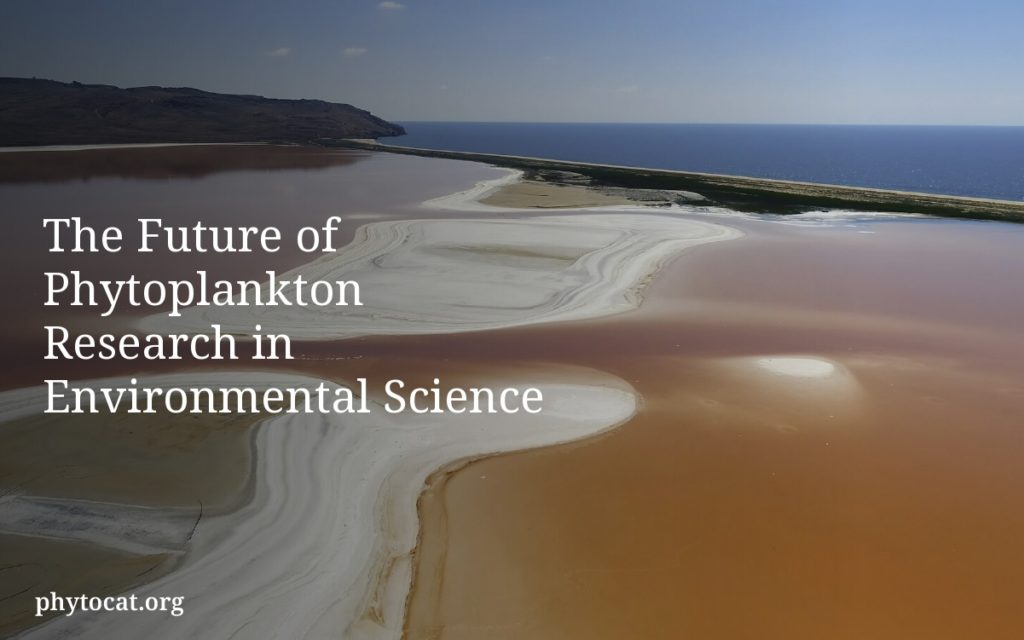
The Future of Phytoplankton Research: The PACE Satellite Mission
NASA’s upcoming PACE (Plankton, Aerosol, Cloud, and ocean Ecosystem) satellite mission is set to revolutionize our understanding of phytoplankton through advanced monitoring technology. At the heart of this mission is the Ocean Color Instrument, a cutting-edge tool designed to capture daily hyperspectral images of the ocean’s surface. With this instrument, scientists will be able to identify different species of phytoplankton and track their distribution and abundance in unprecedented detail.
The PACE satellite mission holds great promise for our understanding of the carbon cycle and its connection to phytoplankton. By monitoring the growth and distribution of these microscopic organisms, scientists will gain valuable insights into the role of phytoplankton in sequestering carbon dioxide from the atmosphere and regulating Earth’s climate. This data will enhance our ability to develop effective climate change mitigation strategies and assess the health of ocean ecosystems.
Promoting Ecosystem Health and Identifying Harmful Algal Blooms
An important aspect of the PACE mission is its potential to aid in the identification and monitoring of harmful algal blooms (HABs). These blooms, often caused by the rapid proliferation of toxic phytoplankton species, can have devastating impacts on marine life and human health. With the Ocean Color Instrument’s ability to detect changes in ocean color and composition, scientists will be able to identify and track the occurrence of HABs, allowing for more timely and effective response measures to be implemented.
Furthermore, the data collected by the PACE satellite will provide valuable information on the overall health and functioning of ocean ecosystems. By monitoring trends in phytoplankton populations, scientists can assess the impacts of environmental changes such as ocean warming and acidification on these vital organisms. This knowledge will be essential for developing conservation strategies and policies aimed at protecting phytoplankton and preserving the delicate balance of marine ecosystems.
Protecting Phytoplankton and Ocean Ecosystems
To safeguard phytoplankton and ensure the resilience of ocean ecosystems, it is crucial that we prioritize conservation efforts. By implementing sustainable fishing practices, reducing pollution, and promoting ecosystem resilience, we can protect these vital organisms and the delicate balance of marine life.
Promoting Sustainable Fishing Practices:
Overfishing poses a significant threat to phytoplankton and the overall health of ocean ecosystems. By adopting sustainable fishing practices, such as implementing catch limits, size restrictions, and protected areas, we can ensure the long-term viability of fish populations and reduce the risk of disrupting phytoplankton habitats.
Reducing Pollution:
Pollution, including nutrient runoff and plastic waste, can have detrimental effects on phytoplankton and marine ecosystems. To protect these organisms, it is essential to reduce pollution at its source. We can support initiatives that promote proper waste management, encourage recycling, and advocate for stricter regulations on industrial and agricultural practices that contribute to pollution.
Promoting Ecosystem Resilience:
Building ecosystem resilience is crucial to protecting phytoplankton from the impacts of climate change. By conserving and restoring coastal habitats, such as mangroves and seagrass beds, we can create refuge areas for phytoplankton and other marine organisms. These habitats provide essential nurseries, buffer against storms, and play a significant role in carbon sequestration, further aiding in climate change mitigation.
Preserving the health and diversity of phytoplankton populations is not only essential for maintaining the balance of marine ecosystems but also for global climate regulation. As responsible stewards of our planet, it is our collective responsibility to take action and ensure the long-term viability of these crucial organisms.
The Future of Phytoplankton in a Changing Climate
As the effects of climate change continue to intensify, we recognize the urgent need to understand and adapt to the impacts on phytoplankton. Ongoing research is crucial in shedding light on how these vital organisms will fare in a changing climate. By gaining a deeper understanding of their resilience and vulnerabilities, we can develop effective strategies to protect and preserve phytoplankton populations.
Informing policy-making is another important aspect of securing the future of phytoplankton. By integrating scientific findings into policy decisions, we can prioritize the conservation of these essential organisms and their ecosystems. Policies that address climate adaptation and protection measures will play a pivotal role in mitigating the challenges phytoplankton face.
Conservation strategies should also be at the forefront of our efforts. By implementing sustainable practices such as responsible fishing and reducing pollution, we can minimize the stress on phytoplankton populations and their habitats. Additionally, promoting ecosystem resilience through measures like marine protected areas can help safeguard phytoplankton and their delicate balance within marine ecosystems.
Collaboration on a global scale is crucial in tackling the complex challenges posed by climate change. By working together, sharing knowledge, and implementing joint conservation efforts, we can maximize our impact and ensure the long-term survival of phytoplankton. By investing in research, developing robust policies, and collaborating across borders, we can contribute to the resilience and sustainability of Earth’s ecosystems in the face of ongoing climate change.

- Poke Yoke in Manufacturing: Preventing Errors at Their Source - February 6, 2026
- Integrated Payment Systems: Fueling Scientific Advancement Through Efficient Funding - January 12, 2026
- Professional Distribution Center Cleaning Services Explained - December 13, 2025