


As we delve into the fascinating world of phytoplankton, we uncover the profound influence that ocean temperatures have on these microscopic organisms. Climate change and the rising temperatures of our seas are not only affecting the health of our planet but also reshaping the delicate balance of marine ecosystems.
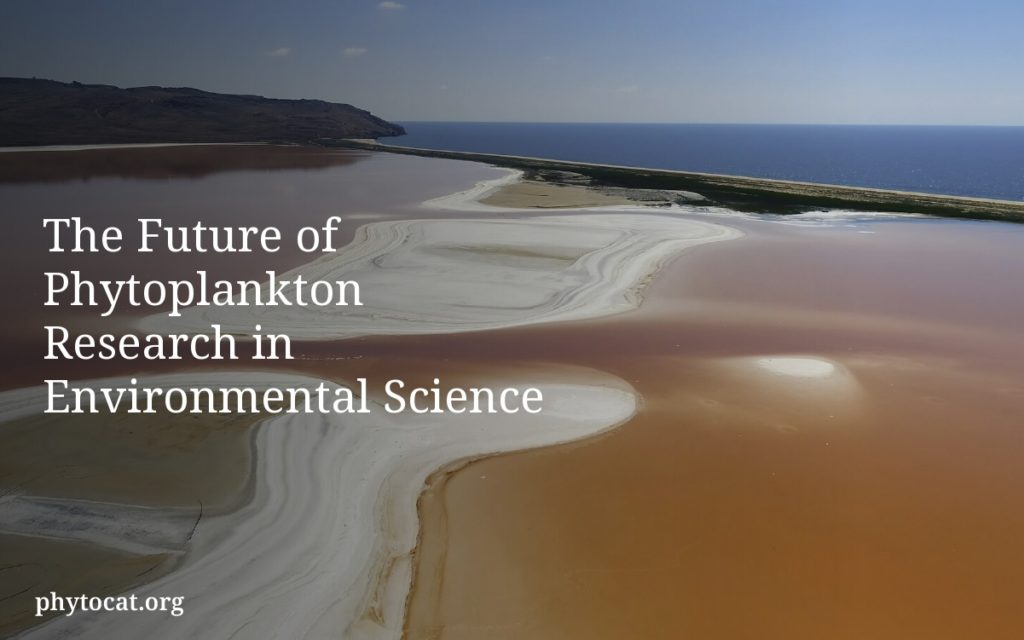
Phytoplankton biomass and phenological indices in the northern Red Sea have already shown significant disruptions due to warmer conditions. Winter phytoplankton blooms have weakened, their initiation and termination have been delayed and accelerated respectively, and their duration has been shortened. These changes are attributed to alterations in atmospheric forcing and vertical stratification.
While sea surface temperature serves as a reliable indicator of phytoplankton abundance, it is less crucial in predicting bloom timing. This highlights the complexity of the relationship between phytoplankton growth and ocean temperatures.
Looking forward, with future climate warming scenarios, we can expect a double-edged impact on phytoplankton growth in tropical marine ecosystems. Adapting to these changes and understanding their implications are vital for the sustainability of our seas and the myriad of life they support.
The Relationship Between Ocean Temperatures and Phytoplankton Productivity
Anthropogenic carbon emissions have led to significant warming of the Earth’s oceans, with profound effects on phytoplankton productivity. As the oceans warm, several interconnected factors come into play, affecting the abundance and growth of phytoplankton populations.
One of the primary consequences of ocean warming is the reduction in nutrient availability in nutrient-limited tropical and mid-latitude waters. Warmer temperatures lead to stratification of the water column, limiting the vertical mixing of nutrients from deeper waters. Consequently, phytoplankton in these regions experience decreased productivity due to nutrient limitations.
However, the relationship between ocean temperatures and phytoplankton productivity is not straightforward. In higher latitudes, where temperatures may decrease, phytoplankton productivity can actually increase. Cooling waters promote upwelling, bringing nutrient-rich waters to the surface. This nutrient availability allows larger phytoplankton species, such as diatoms, to thrive and contribute to higher productivity.
Understanding the impact of ocean warming on phytoplankton productivity is crucial, as these microorganisms play a vital role in global nutrient cycling, oxygen production, and supporting marine food webs. Further research is needed to unravel the complex interactions between ocean temperatures, nutrient availability, and phytoplankton productivity to better predict the consequences for marine ecosystems in a rapidly changing climate.
Impact of Climate Change on Phytoplankton Composition
Climate change is having a significant impact on the composition of phytoplankton communities in our oceans. One way we can assess these changes is through the use of the Community Temperature Index (CTI). The CTI allows us to track the relative abundance of different phytoplankton species with varying temperature preferences over time. As the ocean temperatures warm due to climate change, we are observing a shift towards species that thrive in warmer conditions.
A long-term analysis conducted at the Port Hacking station in Australia has provided valuable insights into these changing phytoplankton communities. Over the past 90 years, there has been a noticeable increase in the proportion of species with warmer temperature preferences. This suggests that these phytoplankton communities are adapting to the long-term ocean warming trend. Identifying these species and understanding their functional traits is crucial for comprehending the implications of climate change on the broader ecosystem.
The species temperature index is another tool that helps us understand the correlation between temperature preferences and phytoplankton composition. By analyzing the temperature preferences of different species, we can gain a better understanding of how they might respond to future climate change scenarios. This information is vital for predicting and managing potential shifts in phytoplankton community composition and the cascading effects on other trophic levels within the marine food web.
Spatial Patterns of Phytoplankton Phenology Under Warming Scenarios
Ocean warming has a profound effect on the phenology of phytoplankton, leading to distinct spatial patterns in different regions. In warmer waters, such as tropical and subtropical areas, smaller species of phytoplankton, known as picophytoplankton, dominate. However, these smaller species may experience a decrease in abundance due to reduced nutrient availability. On the other hand, in cooling regions like cool temperate and polar waters, larger phytoplankton species, particularly diatoms, thrive due to increased nutrient availability caused by upwelling.
Coastal environments, characterized by enhanced wind-driven upwelling, may experience an increase in phytoplankton abundance. This is due to the higher nutrient availability brought up from the deeper ocean layers. These spatial patterns highlight the complexity of the relationship between ocean warming, nutrient availability, and phytoplankton phenology. They also underscore the importance of considering both regional and local factors when studying the impact of climate change on phytoplankton communities.
Key Points:
- Warmer waters favor smaller phytoplankton species, while cooling regions promote the growth of larger diatoms.
- Coastal areas with wind-driven upwelling may experience an increase in phytoplankton abundance.
- Spatial patterns in phytoplankton phenology are influenced by nutrient availability and ocean warming.
Understanding these spatial patterns and their underlying mechanisms is essential for predicting and managing the effects of climate change on phytoplankton communities. Additionally, it highlights the need for continued monitoring and research to assess long-term trends and identify potential impacts on coastal ecosystems and the overall productivity of the oceans.
Changes in Phytoplankton Community Composition Over Time at Port Hacking
A long-term analysis of phytoplankton community composition at the Port Hacking station in Australia provides valuable insights into the effects of ocean warming on these microscopic marine organisms. Over a span of 90 years, researchers have observed changes in the relative abundance of species with different temperature preferences, indicating a response to long-term ocean warming. This analysis highlights the sensitivity of phytoplankton communities to climate change and the potential flow-on effects to other trophic levels dependent on phytoplankton composition and production.
The Community Temperature Index (CTI) has proven to be a useful tool for assessing changes in the relative composition of phytoplankton communities over time. An increase in the CTI indicates a shift towards species with warmer temperature preferences. At the Port Hacking station, this shift has been linked to ocean warming. By identifying the species responsible for these changes, scientists can gain a better understanding of the functional traits of phytoplankton under climate change.
Understanding how phytoplankton communities respond to ocean warming is crucial for predicting and managing the impacts of climate change on marine ecosystems. Phytoplankton form the foundation of the marine food web and play a vital role in nutrient cycling and carbon sequestration. Changes in their composition and abundance can have cascading effects on the entire ecosystem, including fisheries and other marine resources.
Further research is needed to explore the mechanisms driving changes in phytoplankton community composition and the potential consequences for ecosystem stability. Monitoring efforts should be intensified to assess long-term trends and understand the complex interactions between ocean warming, nutrient availability, and phytoplankton dynamics. This knowledge will ultimately contribute to the development of strategies to mitigate the impacts of climate change on marine ecosystems and ensure their long-term sustainability.
The Impact of Ocean Warming on Phytoplankton Growth
Ocean warming is a significant factor affecting phytoplankton growth in marine ecosystems. The complex relationship between ocean temperatures and phytoplankton growth is influenced by nutrient availability, especially inorganic nutrients such as phosphate and nitrate. In nutrient-limited regions, such as tropical and mid-latitude waters, warmer temperatures can lead to reduced phytoplankton growth by limiting the supply of essential nutrients.
Conversely, in regions where surface waters are cooling, ocean warming can create nutrient-rich conditions through the sinking of cooling waters, promoting enhanced phytoplankton growth. The interaction between ocean warming and nutrient availability plays a crucial role in determining the overall productivity and composition of phytoplankton communities.
Factors Influencing Phytoplankton Growth Under Ocean Warming
- Nutrient availability: Inorganic nutrients such as phosphate and nitrate are essential for phytoplankton growth. Ocean warming can affect nutrient cycling and availability, influencing phytoplankton productivity.
- Physical processes: Ocean warming can lead to changes in ocean circulation patterns, affecting the distribution of nutrients and the growth of phytoplankton.
- Trophic interactions: Changes in phytoplankton abundance and composition under ocean warming can have cascading effects on higher trophic levels, including zooplankton and fish populations.
Understanding the impact of ocean warming on phytoplankton growth is crucial for predicting and managing the consequences for marine ecosystems. Further research is needed to unravel the complex interactions between ocean temperatures, nutrient availability, and other environmental factors that shape phytoplankton dynamics. By gaining a deeper understanding of these processes, we can develop effective strategies for mitigating the potential negative impacts of climate change on phytoplankton and the overall stability of marine ecosystems.
Implications for Ecosystem Stability and Future Research
Understanding the impact of ocean temperatures on phytoplankton is crucial for maintaining ecosystem stability and supporting sustainable fisheries. Phytoplankton, as the foundation of the marine food web, play a vital role in nutrient cycling and carbon fixation. Any changes in their dynamics can have far-reaching effects on the overall productivity and stability of the oceans.
In order to effectively monitor and mitigate the impacts of climate change on phytoplankton, future research efforts should focus on long-term trends in their composition, productivity, and nutrient availability. This will enable us to assess the resilience and adaptability of phytoplankton communities in the face of changing environmental conditions. Additionally, understanding the complex interactions between ocean temperatures, nutrient availability, and other factors influencing phytoplankton growth is essential for predicting future ecosystem responses.
Robust monitoring programs are also needed to gather comprehensive data on phytoplankton dynamics at various spatial and temporal scales. This will allow us to track changes over time and identify patterns in phytoplankton community composition and productivity. Such monitoring efforts will provide valuable insights into the health and resilience of marine ecosystems, guiding conservation and management strategies to safeguard fisheries and marine biodiversity.
As we continue to improve our understanding of the implications of ocean warming on phytoplankton, it is vital that we prioritize future research in this field. By deepening our knowledge of phytoplankton ecology and their responses to changing climate conditions, we can enhance our ability to predict and mitigate the impacts of climate change on marine ecosystems. This will ultimately contribute to the sustainable management of our oceans and the preservation of their invaluable resources.

- Poke Yoke in Manufacturing: Preventing Errors at Their Source - February 6, 2026
- Integrated Payment Systems: Fueling Scientific Advancement Through Efficient Funding - January 12, 2026
- Professional Distribution Center Cleaning Services Explained - December 13, 2025