

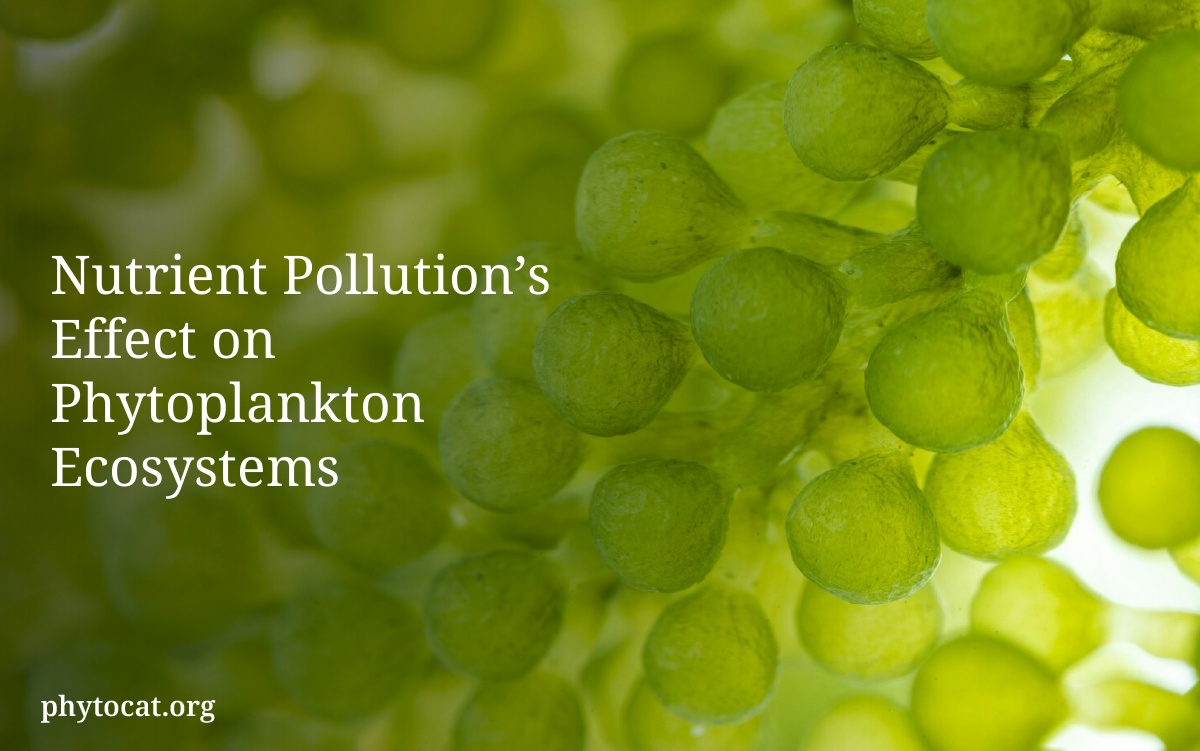


Phytoplankton are tiny plants in water that are very important. They start the aquatic food web by making food from sunlight and nutrients. These plants need nitrogen to grow, which they get from water. But too much nitrogen from places like factories and farms can harm them.
For example, in Lianhe Reservoir, there was too much nitrogen during a certain time. This made conditions perfect for bad algae to grow. This algae can hurt water quality and all living things in it. So, it’s crucial to understand how phytoplankton use nitrogen. This knowledge can help manage pollution and protect our water worlds.
Understanding the Importance of Nitrogen in Aquatic Ecosystems
Nitrogen is crucial in aquatic ecosystems. It helps support life and keep the environment stable. Though nitrogen is abundant in the atmosphere, its amount in water is vital for aquatic health. Imbalanced nitrogen levels can harm these ecosystems.
Consequences of Nitrogen Pollution
Nitrogen pollution impacts aquatic life deeply. Too much nitrogen can cause eutrophication. This leads to harmful algal blooms. These blooms disrupt the food chain and lower oxygen, creating “dead zones.”
This situation harms fish populations and reduces biodiversity. Using certain strategies can help. Rerouting nutrients, applying herbicides, and managing fertilizer can lessen the damage. Keeping aquatic ecosystems healthy requires careful management, especially where nitrogen input is high.
Sources of Nitrogen in Water Bodies
Nitrogen in water comes from many sources. These include:
- Agricultural runoff from fertilizers and livestock waste
- Urban wastewater from treatment plants
- Industrial waste that releases nitrogen
- Atmospheric deposition from cars and fossil fuel burning
These sources add nitrogen to aquatic ecosystems. They can make algal blooms worse. Knowing these sources is key to fighting nitrogen pollution.
Phytoplankton and the Nitrogen Cycle: Understanding Their Interaction
Phytoplankton are key players in the nitrogen cycle. They take up and change nitrogen in water ecosystems. This action helps keep the ecosystem healthy and supports various life processes.
Role of Phytoplankton in Nitrogen Uptake
Phytoplankton need nitrogen for photosynthesis and to make vital macromolecules. They absorb nitrogen in forms like nitrate and ammonium. This helps start the food chain in water.
The number of phytoplankton affects how much nitrogen they can take in. This can change nitrogen levels in subtropical waters.
Nitrogen Stable Isotopes and Their Significance
Nitrogen stable isotopes, or δ15N ratios, show where nitrogen comes from and how it moves. They tell us about important processes including nitrification and denitrification. Analyzing δ15N helps us understand how phytoplankton affect nitrogen in water.
This knowledge lets researchers find pollution sources and check water health. It shows the big role of phytoplankton in our waters.
Factors Influencing Phytoplankton Growth and Nitrogen Cycling
Phytoplankton growth and nitrogen cycling are tied to many factors. Nutrients, light, temperature, and water movements are key. For example, warm water speeds up nitrogen uptake by phytoplankton. This makes their growth rates go up. Studies have shown these effects clearly. They highlight the need for careful study to understand what phytoplankton need.
Key Environmental Variables
In summer, shallow lakes often see big shifts in nitrogen and phosphorus levels. This leads to more phytoplankton in the water. Human activities are increasing nitrogen and phosphorus in water. This feeds the phytoplankton. Yet, the way nitrogen changes phosphorus in sediments adds complexity. Such changes show why local conditions matter a lot for water life.
Seasonal Variability in Phytoplankton Biomass
Seasons also change how much phytoplankton grow, affecting their need for nutrients. Take Lake Taihu as an instance. Here, phytoplankton often get limited by nitrogen or both nitrogen and phosphorus in hot months. If nitrogen is added at the right time, it can boost their growth. But it also might lead to harmful algae growth. Understanding these patterns helps in managing water safety and ecosystem health.

- Poke Yoke in Manufacturing: Preventing Errors at Their Source - February 6, 2026
- Integrated Payment Systems: Fueling Scientific Advancement Through Efficient Funding - January 12, 2026
- Professional Distribution Center Cleaning Services Explained - December 13, 2025