
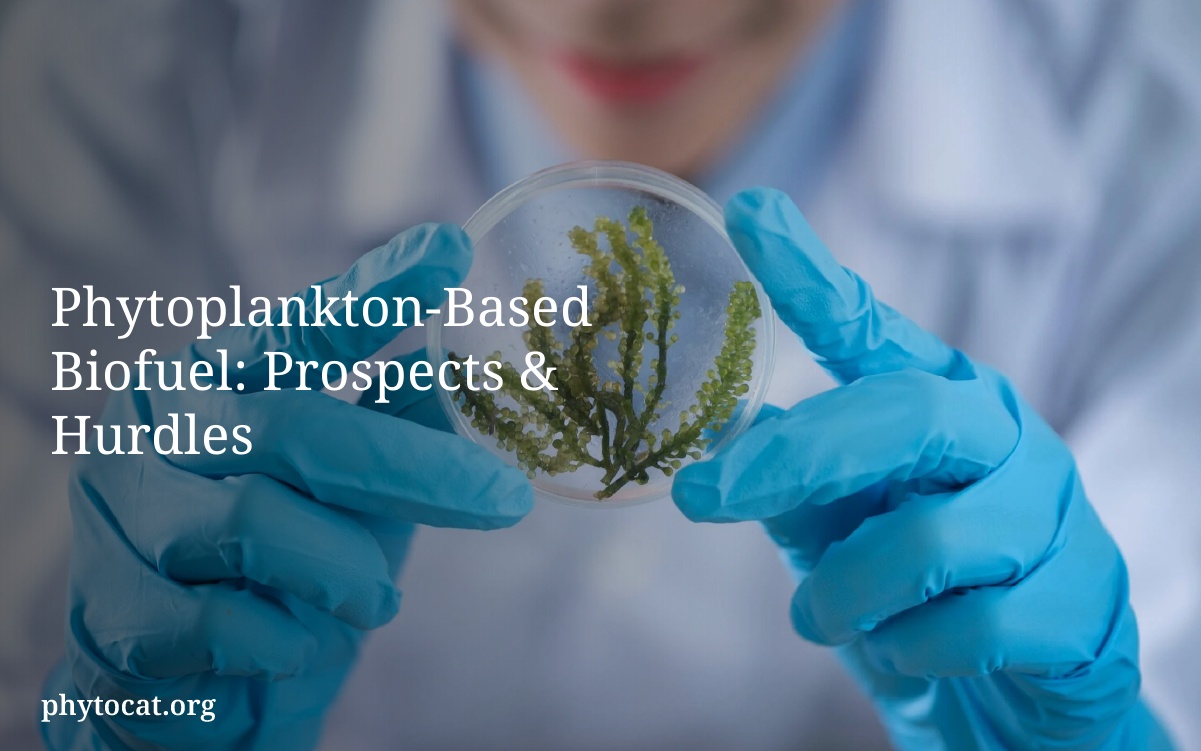

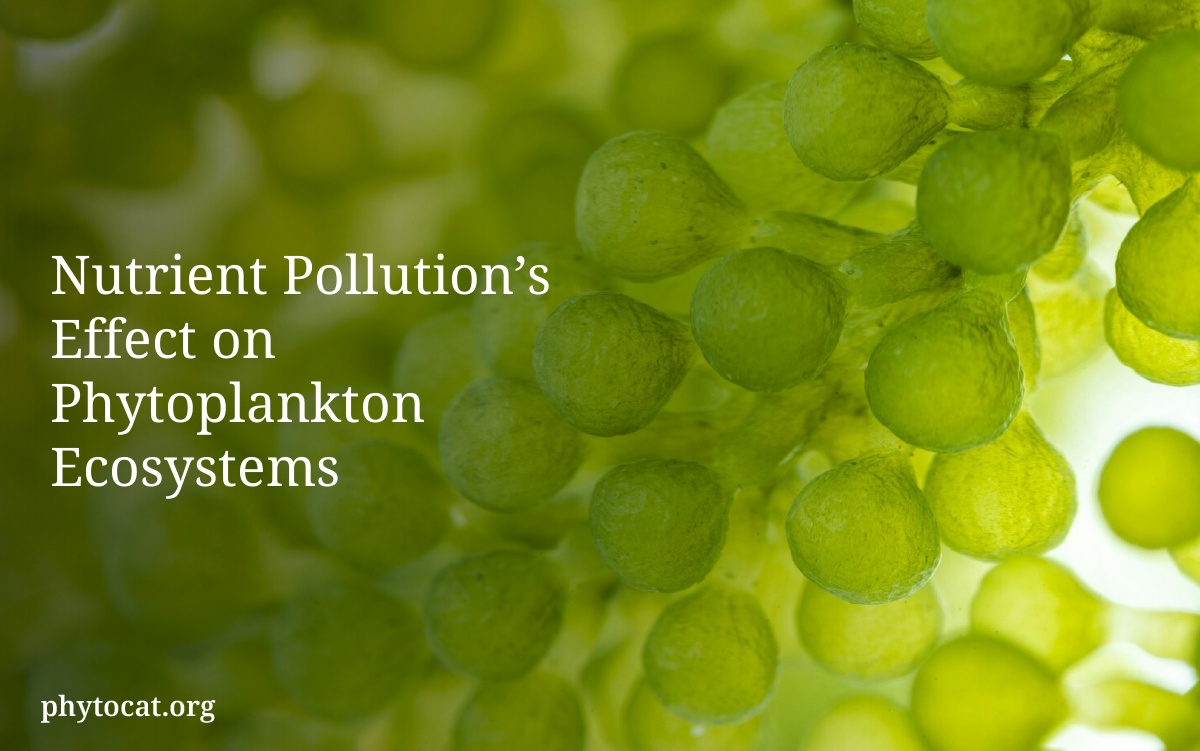


Phytoplankton play a big role in aquatic ecosystems and are now seen as a key biofuel source. They turn sunlight and nutrients into biomass very efficiently. This makes them a great choice for sustainable energy. With growing worries about climate change and harm to the environment from fossil fuels, phytoplankton could help. They offer a way to reduce greenhouse gas emissions.
Many governments, scientists, and companies are looking into how to use these tiny organisms for green energy. But, making phytoplankton-based biofuels widely available is not easy. There are big challenges like high costs, finding the best way to grow them, dealing with laws, and needing new technology for big operations. To move towards a better energy future, we need to understand both the opportunities and obstacles.
Understanding Phytoplankton and Its Role in Biofuel Production
Phytoplankton are tiny plants that live in water. They’re super important for creating biofuel, which is a type of fuel made from living things. These little organisms turn sunlight into energy. This process is called photosynthesis. It makes them key players in biofuel production. Their ability to transform a lot of biomass into energy is very promising for making green energy.
Definition of Phytoplankton
Phytoplankton are a bunch of small algae and bacteria that love water. They are powerhouses that produce about half of the Earth’s oxygen. Plus, they help soak up carbon. They’re the start of most food chains in the water and play a big part in Earth’s cycles.
Types of Phytoplankton Suitable for Biofuels
Scientists are looking into certain phytoplankton for making biofuels. Some of the best ones are:
- Chlorella
- Spirulina
- Diatoms such as Cyclotella
These types are great because they have a lot of lipids, which are fats. Fats are important for making biodiesel. The more diverse the phytoplankton, the better they can grow in different conditions. This helps a lot in biofuel production.
Energy Potential of Phytoplankton Compared to Other Biofuels
Phytoplankton could create way more energy than crops normally used for biofuels. They can make about 30 times more. That’s huge! There are different ways to turn them into energy, like making biodiesel or biogas. With the world looking for more green energy, phytoplankton could be a big help. They offer a solution to our fossil fuel problems and help the environment too.
Phytoplankton-Based Biofuel: Future possibilities and challenges
The future of phytoplankton-based biofuel is quite exciting but requires a lot of work. Organizations and oil companies are investing in algae research. They want to make biofuel technology better by focusing on efficient algae growth and extraction methods. Experts think the biofuel market might reach $247.38 billion by 2024. This growth is because we urgently need to find sustainable energy sources to reduce carbon emissions and environmental issues.
Current Research and Technological Advances
Research from the 1978 Aquatic Species Program showed us how microalgae could produce biofuel. Algae are incredible, fixing over 40% of the world’s carbon. However, it’s challenging to grow phytoplankton outdoors in a cost-effective way using sunlight. Discovering species like Chlorella vulgaris and Nannochloropsis oceanica has been key. But, even big companies like ExxonMobil have struggled with the high costs of algae farming. It shows the tough challenges in algae biofuel production.
Commercial Viability and Economic Implications
Phytoplankton biofuels look promising but making them market-ready is tough. Starting algae farms and processing the biofuels requires a lot of money and energy. There’s also the complex issue of managing algae farms without hurting the environment. Yet, companies like Viridos are getting attention and funds to further explore algae for biofuels. With more research and smart policy decisions, making these biofuels widely available might just be possible.

- Poke Yoke in Manufacturing: Preventing Errors at Their Source - February 6, 2026
- Integrated Payment Systems: Fueling Scientific Advancement Through Efficient Funding - January 12, 2026
- Professional Distribution Center Cleaning Services Explained - December 13, 2025