
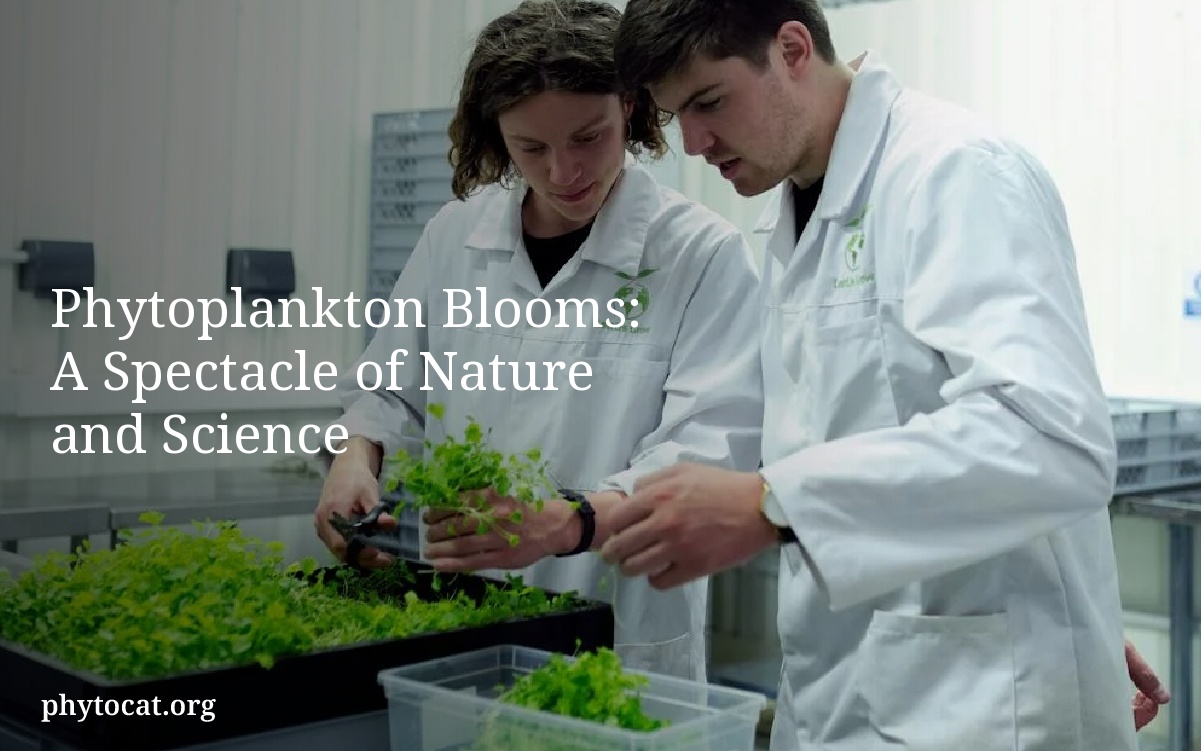

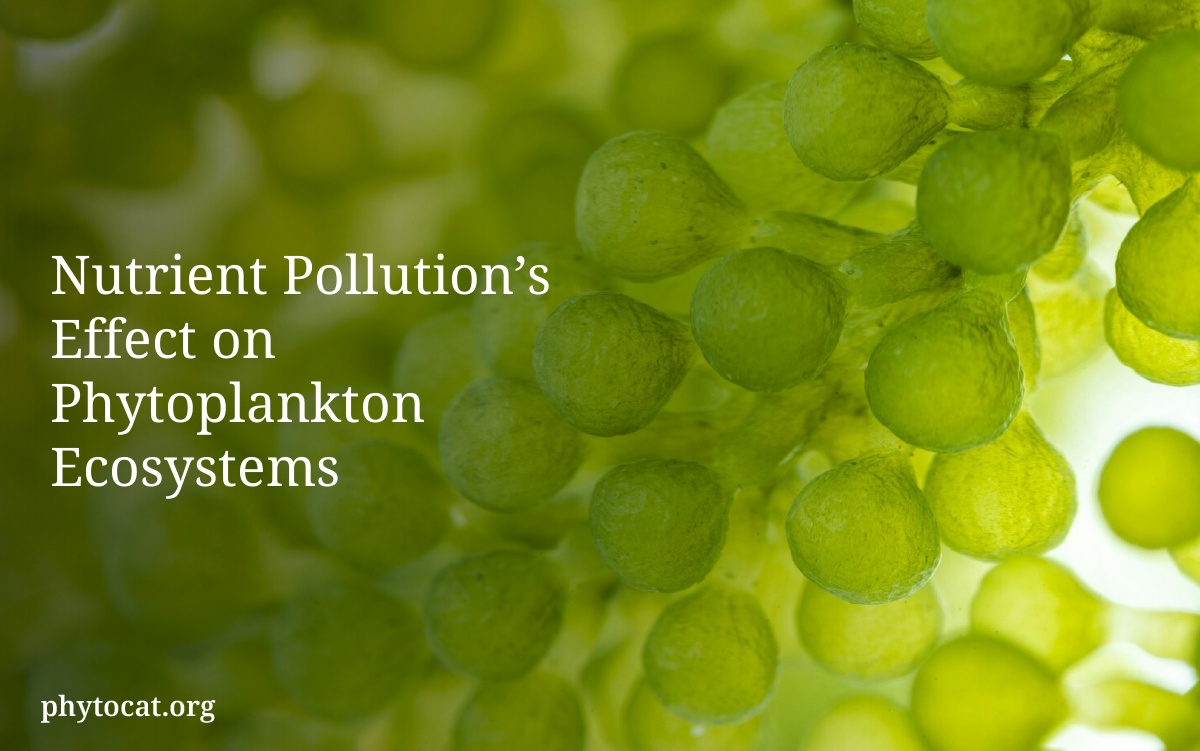



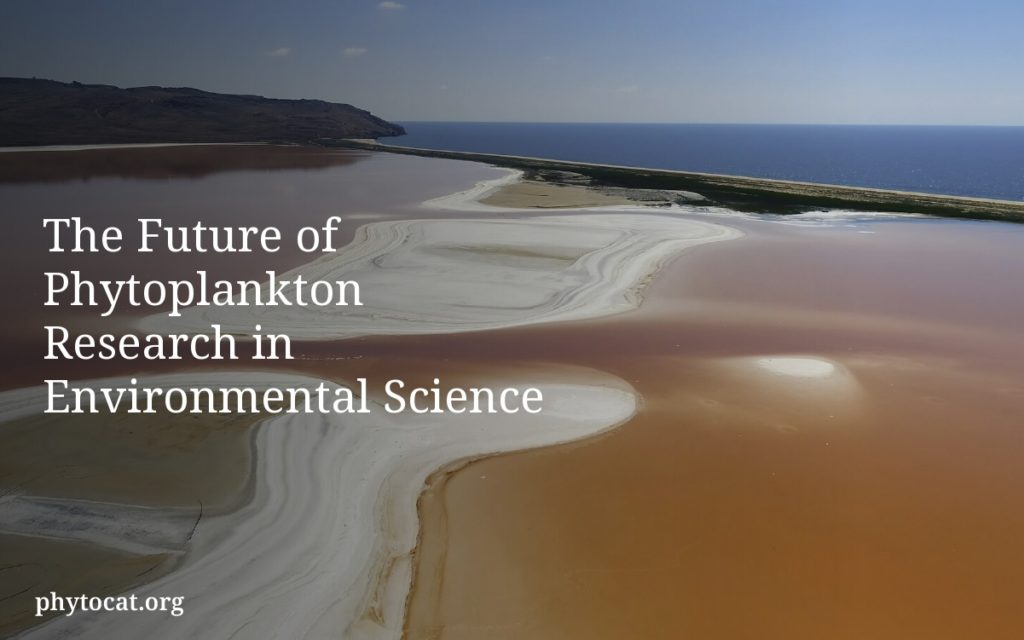
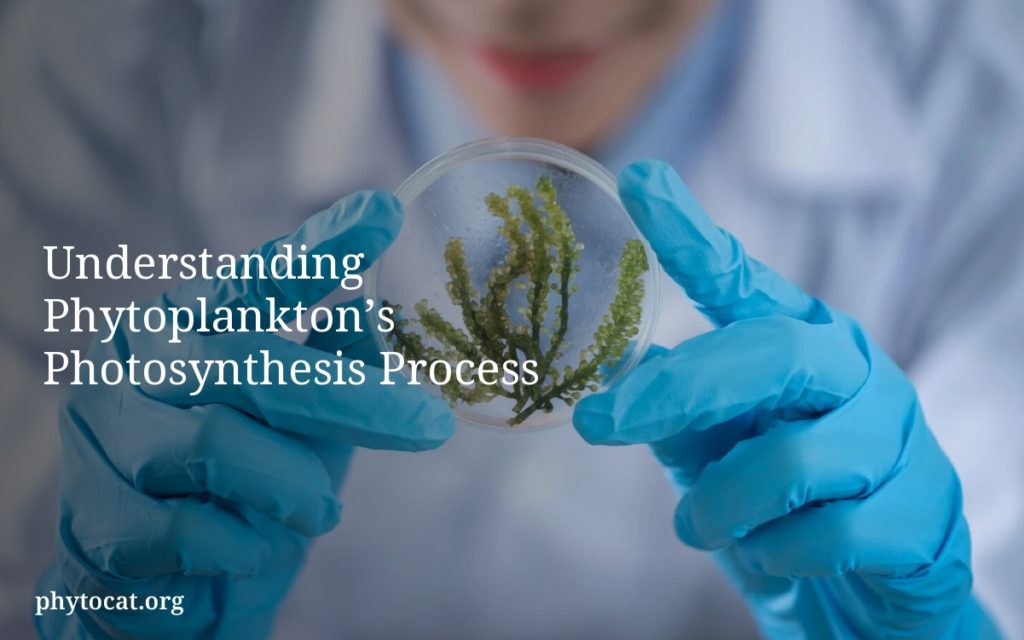
Phytoplankton blooms are an incredible phenomenon that captivate both nature enthusiasts and scientists alike. These blooms, which are accumulations of microscopic algae in the surface layer of fresh and marine water bodies, play a crucial role in the balance of marine ecosystems. They have both beneficial and harmful effects, making them a subject of global assessments and scientific research.
Beneficial phytoplankton blooms contribute to the food chain and support fisheries production, ensuring the sustainability of marine ecosystems. However, harmful blooms can have devastating consequences, leading to toxin accumulation, fish and marine species mortality, and even restructuring of entire ecosystems.
Over the past two decades, there has been a significant increase in the occurrence and distribution of phytoplankton blooms worldwide. This spatial and temporal variability presents challenges for researchers and policymakers in understanding and managing bloom risks.
At the heart of these challenges are global assessments and the formulation of management actions. By studying bloom trends and their drivers, we can develop strategies to mitigate the harmful effects of blooms, protect marine ecosystems, and ensure the sustainable use of our oceans.
Join us as we delve into the fascinating world of phytoplankton blooms, exploring satellite observations, climate change impacts, associations with wind bursts, and the spatial and temporal variability of these natural spectacles. Together, we will uncover the intricate connections between phytoplankton blooms and marine ecosystems, shedding light on the complexities of managing the risks they pose.
Mapping Phytoplankton Blooms: Insights from Satellite Observations
Satellite observations have revolutionized the way we map phytoplankton blooms on a global scale. With the help of daily observations from NASA’s Aqua satellite equipped with the Moderate Resolution Imaging Spectroradiometer (MODIS), we have been able to generate a comprehensive dataset of phytoplankton bloom occurrence with impressive 1-kilometer resolution. This dataset provides us with detailed information about the spatial extent and frequency of blooms in coastal oceans all around the world.
Our study found that phytoplankton blooms occurred in 126 out of 153 coastal countries that we examined. Over the study period, we observed increasing trends in both the spatial extent and frequency of blooms. The spatial extent of blooms increased by 13.2%, while the frequency of blooms increased by a significant 59.2%. Europe and North America contributed the largest bloom areas, whereas Africa and South America had the most frequent blooms.
This groundbreaking mapping of coastal phytoplankton blooms serves as a foundation for global assessments and plays a crucial role in informing management and policy actions. By understanding the patterns and trends of these blooms, we can develop effective strategies to mitigate bloom risks and protect marine ecosystems worldwide.
Impacts of Climate Change on Phytoplankton Blooms in the Southern Ocean
The Southern Ocean is a critical region for phytoplankton blooms, which play a vital role in the global carbon cycle and climate regulation. However, the impacts of climate change on these blooms are a growing concern. Through the analysis of satellite chlorophyll a data, scientists have observed significant changes in the phenological indices of phytoplankton blooms in the Southern Ocean.
These changes include an overall increase in bloom amplitude and a decline in seasonality, with delayed bloom initiation, earlier termination, and shorter bloom durations. The altered seasonal cycle of phytoplankton blooms is closely linked to changes in nutrient and light availability driven by climate change. Such shifts can have profound implications for carbon export and the structure of the marine food web, ultimately affecting ecosystem services and global climate dynamics.
To better understand the magnitudes and implications of these changes, continued research and monitoring efforts are essential. By studying the impacts of climate change on phytoplankton blooms in the Southern Ocean, we can gain insights into the potential consequences for marine ecosystems and develop strategies for mitigation and adaptation. It is crucial to address these challenges to ensure the long-term sustainability of our oceans and the delicate balance of the global climate system.
Associations Between Wind Bursts and Phytoplankton Blooms in the Northwestern Mediterranean Sea
Phytoplankton blooms in the Northwestern Mediterranean Sea exhibit interesting subseasonal variations that significantly influence bloom variability and ecosystem dynamics. Recent research has shed light on the strong association between wind bursts and fluctuations in surface chlorophyll levels during the initial stages of the bloom. We have discovered that weekly changes in surface chlorophyll are closely linked to weekly changes in wind stress and net heat flux, indicating the impact of wind-driven vertical stability on bloom onset.
Intermittency in vertical stability, caused by episodes of calm weather or stormy conditions, leads to short-term variations in light exposure and vertical dilution. These variations, in turn, affect the timing and intensity of phytoplankton blooms in the Northwestern Mediterranean Sea. Understanding this strong intermittency in bloom dynamics is crucial for assessing carbon export and trophic web structure in this region, as it provides valuable insights into the factors driving bloom variability.
To summarize:
- There is a strong link between wind bursts and fluctuations in surface chlorophyll levels during the initial stages of phytoplankton blooms in the Northwestern Mediterranean Sea.
- Weekly changes in surface chlorophyll are in phase with weekly changes in wind stress and net heat flux, indicating the influence of wind-driven vertical stability on bloom onset.
- Intermittency in vertical stability, caused by calm weather or stormy conditions, leads to short-term variations in light exposure and vertical dilution, affecting the timing and intensity of phytoplankton blooms.
This understanding of the associations between wind bursts and phytoplankton blooms in the Northwestern Mediterranean Sea contributes to our broader knowledge of bloom dynamics and their implications for carbon export and trophic web structure in marine ecosystems.
Spatial and Temporal Variability of Phytoplankton Seasonal Metrics
The Southern Ocean is a region characterized by significant spatial and temporal variability in phytoplankton blooms. Through the analysis of satellite data, we have observed notable trends in bloom magnitude and phenology metrics across different regions and biomes. The overall increase in bloom magnitude indicates higher levels of chlorophyll a (chl-a), with larger positive trends in maximum, mean, and integrated chl-a levels. However, it’s important to note that the relationship between chl-a levels and biomass is complex due to environmental stresses.
Furthermore, the phenology metrics of phytoplankton blooms also exhibit significant changes. There has been a shortening of bloom duration, delayed initiation, and earlier termination observed in various areas. These shifts in bloom timing and duration are influenced by climate drivers, such as changes in nutrient availability, light exposure, and vertical stability. Understanding the spatial and temporal variability of phytoplankton seasonal metrics is crucial in comprehending the Southern Ocean’s role in carbon uptake and trophic dynamics.
To summarize, the key observations in the Southern Ocean’s phytoplankton blooms include an increase in bloom magnitude, a complex relationship between chl-a levels and biomass, and shifts in bloom phenology. These changes are driven by climate drivers and have implications for carbon uptake and trophic dynamics within the ecosystem. By studying the spatial and temporal variability of phytoplankton seasonal metrics, we gain valuable insights into the functioning and responses of the Southern Ocean’s delicate marine environment.
Implications and Uncertainties of Phytoplankton Bloom Dynamics in a Changing Climate
The dynamics of phytoplankton blooms in a changing climate have significant implications for carbon export, trophic dynamics, and ecosystem variability. As the climate continues to change, we expect to see changes in the characteristics of these blooms, which can have wide-ranging effects on marine ecosystems.
One of the main implications of changing phytoplankton bloom dynamics is their impact on the biological carbon pump. Phytoplankton blooms play a crucial role in absorbing carbon dioxide from the atmosphere and transferring it to the deep ocean through sinking particles. Changes in the amplitude, phenology, and spatial distribution of blooms can affect the efficiency of this carbon export process, potentially altering the global carbon cycle.
Moreover, changes in phytoplankton bloom dynamics can have cascading effects on trophic dynamics and ecosystem functioning. Phytoplankton serve as the base of the marine food web, providing food and energy for higher trophic levels. Any alterations in the timing, duration, or intensity of blooms can disrupt the energy transfer to zooplankton, fish, and other marine organisms, potentially leading to shifts in species composition and ecosystem structure.
Despite our understanding of the potential implications, there are still uncertainties surrounding the exact trajectory and magnitude of these changes. The relationship between climate drivers and phytoplankton response is complex, and predicting the specific outcomes of changing bloom dynamics remains challenging. Further research and monitoring efforts are needed to improve our understanding of these uncertainties and to inform effective management strategies for the conservation of marine resources.

- Poke Yoke in Manufacturing: Preventing Errors at Their Source - February 6, 2026
- Integrated Payment Systems: Fueling Scientific Advancement Through Efficient Funding - January 12, 2026
- Professional Distribution Center Cleaning Services Explained - December 13, 2025