
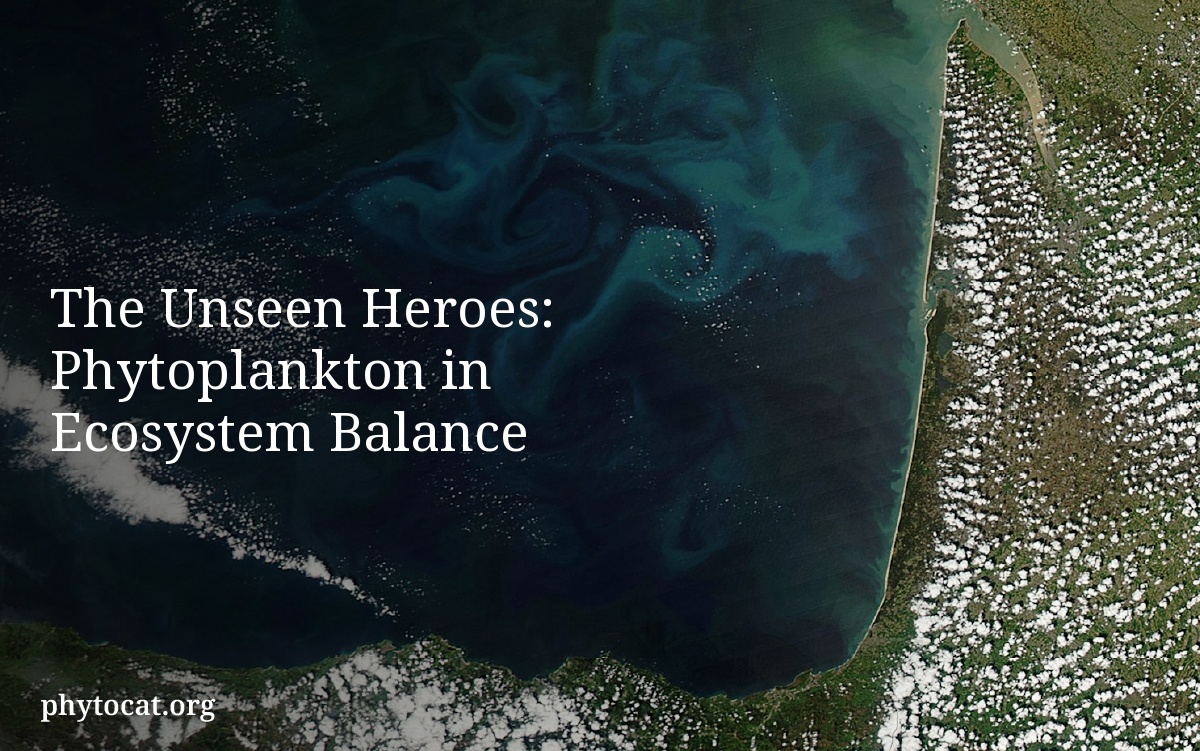

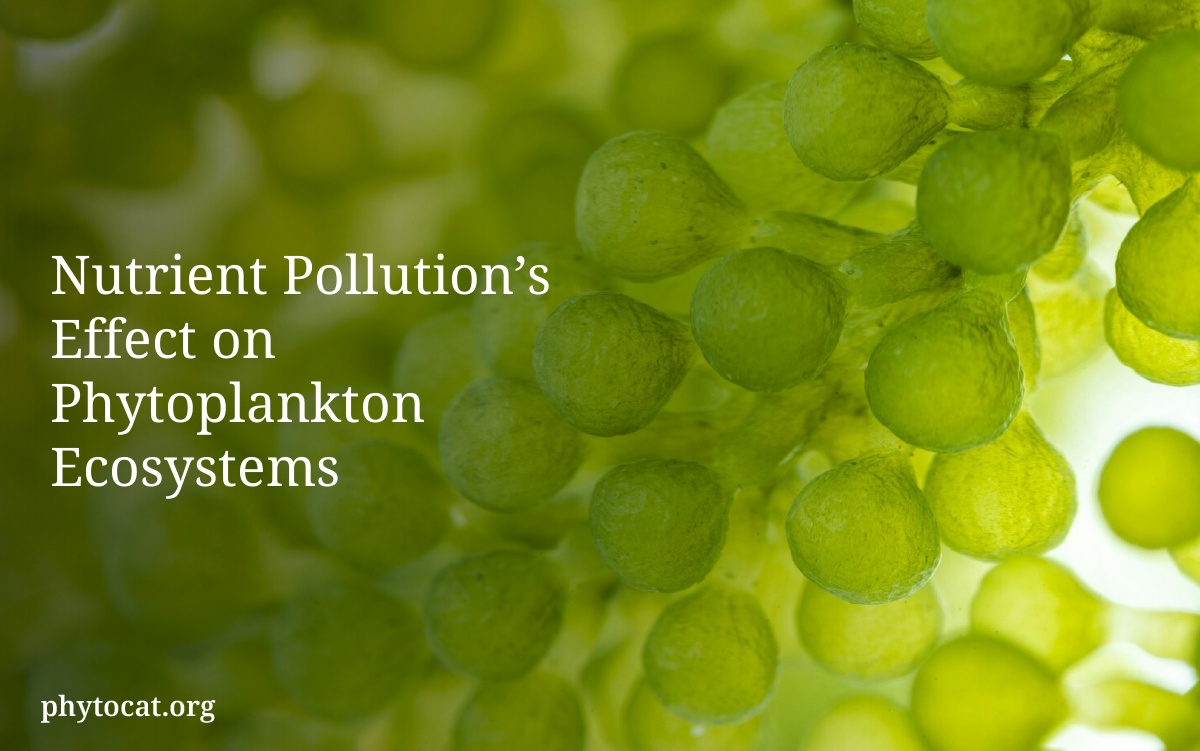


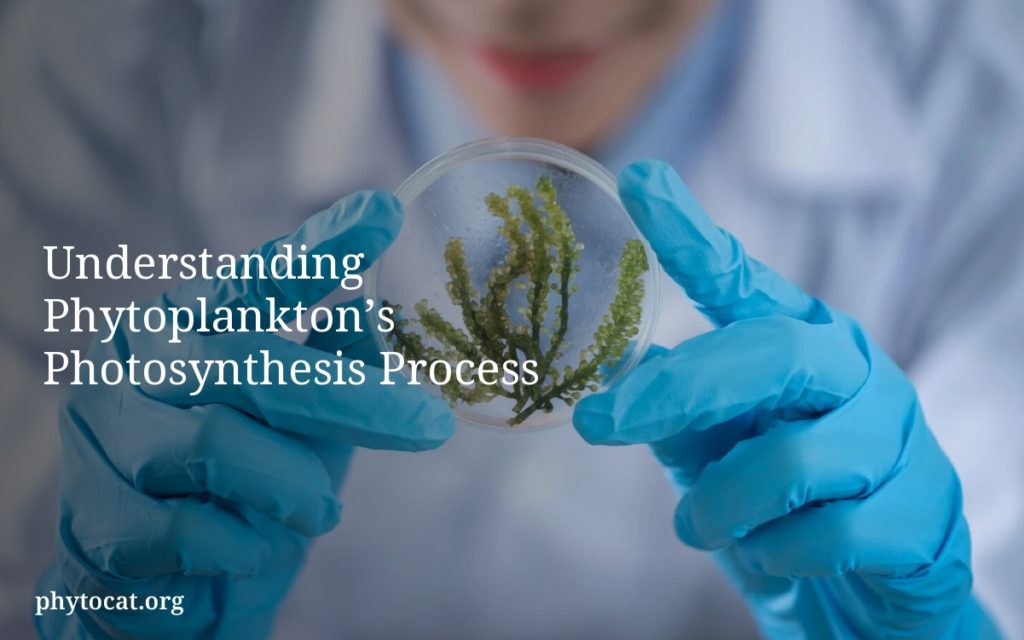
In the vast expanse of our oceans, there are heroes that silently work to maintain the delicate balance of our planet’s ecosystem. We may not see them with our naked eye, but their impact is monumental. These unsung heroes are none other than phytoplankton.
Phytoplankton, the microscopic organisms that inhabit our watery realms, play a vital role in sustaining life on Earth. They are the foundation of the marine food chain, providing nutrition for larger marine creatures. But their contribution doesn’t stop there.
Through the process of photosynthesis, phytoplankton produce up to 80% of the world’s oxygen, making them significant oxygen generators. Their ability to absorb carbon dioxide also aids in climate regulation, helping to mitigate the effects of climate change.
Despite their small size, phytoplankton are the unseen heroes of our ecosystem. We owe them a debt of gratitude for their tireless efforts in maintaining the balance necessary for life to thrive on our planet.
Phytoplankton: The Microscopic Marvels
Phytoplankton, despite their small size, are incredibly important organisms that play a vital role in maintaining the balance of life on Earth. These microscopic creatures can be found in both salty and fresh watery environments, where they form the foundation of the marine food chain. Their presence is essential for the survival of larger marine creatures, as phytoplankton serve as a crucial source of nutrition.
Imagine a world without phytoplankton. The survival of larger marine organisms would be at risk, as they heavily rely on the abundance of these tiny organisms for their sustenance. Phytoplankton act as the primary producers in the marine ecosystem, converting sunlight, carbon dioxide, and nutrients into organic matter through the process of photosynthesis. This organic matter serves as a crucial source of energy and nutrients for the entire marine food web.
Without phytoplankton, the intricate balance of the marine ecosystem would be disrupted. The abundance of marine life as we know it would decline, and the delicate relationships between species would be jeopardized. From tiny zooplankton to majestic whales, all levels of the marine food chain are intricately connected, with phytoplankton playing a central role in supporting this interconnected web of life.
Phytoplankton: The Oxygen Generators
Contrary to popular belief, it is phytoplankton, not rainforests, that generate up to 80% of the world’s oxygen. Through the process of photosynthesis, phytoplankton consume carbon dioxide and release oxygen, similar to trees. However, their sheer numbers and global distribution make them the most significant oxygen producers on our planet.
Phytoplankton, consisting of tiny organisms floating in bodies of water, are masters of oxygen production. Using the energy from sunlight, they convert carbon dioxide and water into organic matter, releasing oxygen as a byproduct. Their ability to harness the power of photosynthesis sets them apart as the primary oxygen generators in our ecosystem.
- Phytoplankton produce up to 80% of the world’s oxygen.
- Their photosynthetic activities convert carbon dioxide into oxygen.
- Due to their vast numbers and global distribution, phytoplankton are the most significant oxygen producers on Earth.
Although individual phytoplankton are minuscule, their collective impact is enormous. Scientists estimate that every second breath we take is thanks to these microscopic oxygen generators. By understanding the vital role of phytoplankton in oxygen production, we gain a deeper appreciation for the unseen heroes that sustain life on our planet.
Phytoplankton: The Climate Regulators
Phytoplankton, those microscopic organisms that blanket the world’s oceans, play a vital role in climate regulation. Their ability to absorb carbon dioxide, a greenhouse gas responsible for climate change, is nothing short of remarkable. As they go about their daily photosynthetic activities, phytoplankton take in large amounts of carbon dioxide from the atmosphere, effectively mitigating the impact of this potent greenhouse gas.
By removing carbon dioxide from the atmosphere, phytoplankton help to create a more balanced and stable climate. They act as natural carbon sinks, preventing the excess accumulation of carbon dioxide in our atmosphere. This is particularly important in today’s world, where human activities have resulted in a significant increase in carbon dioxide emissions.
The Mechanism of Carbon Dioxide Absorption
Phytoplankton absorb carbon dioxide during the process of photosynthesis. Just like plants on land, they use sunlight, carbon dioxide, and nutrients to produce organic matter and release oxygen. In doing so, phytoplankton not only generate oxygen but also remove carbon dioxide from the atmosphere, effectively mitigating the effects of climate change.
- Phytoplankton consume carbon dioxide through photosynthetic processes.
- They convert carbon dioxide into organic matter.
- This organic matter is then stored in the deep ocean, effectively sequestering carbon dioxide.
Overall, the role of phytoplankton in climate regulation cannot be overlooked. As they continue to absorb carbon dioxide and mitigate the effects of climate change, these unseen heroes of our oceans remind us of the interconnectedness and fragile balance of our planet’s ecosystems.
The Ecological Significance of Phytoplankton in Marine Ecosystems
Phytoplankton, as primary producers, hold immense ecological significance in marine ecosystems. These microscopic organisms form the foundation of the marine food web, playing a critical role in sustaining the abundance and diversity of marine life. By converting sunlight, carbon dioxide, and nutrients into organic matter through photosynthesis, phytoplankton provide energy and nutrients for other marine organisms.
The Role of Phytoplankton as Primary Producers
- Phytoplankton are the primary producers in marine ecosystems, responsible for converting sunlight into chemical energy through photosynthesis.
- They absorb carbon dioxide and release oxygen, contributing to the overall oxygen production on our planet.
- Through their photosynthetic activities, phytoplankton create organic matter, which serves as the base of the marine food web.
Without phytoplankton, the entire marine ecosystem would collapse, disrupting the intricate balance of life beneath the ocean surface.
The Importance of Phytoplankton in the Marine Food Web
- Phytoplankton serve as a vital food source for a wide range of marine organisms, including small fish, zooplankton, and even whales.
- They provide essential nutrients and energy for the growth and survival of marine life.
- Phytoplankton are particularly critical for supporting the productivity of commercial fisheries, which rely on the availability of food for their target species.
Moreover, the consumption of phytoplankton by marine organisms helps transfer energy through the marine food web, ensuring the overall health and balance of marine ecosystems.
In summary, phytoplankton’s ecological significance in marine ecosystems cannot be overstated. As primary producers, they form the foundation of the marine food web and contribute to oxygen production. Their role in supporting the abundance and diversity of marine life is crucial for the overall health and balance of our oceans. Understanding the importance of phytoplankton allows us to appreciate the immense contribution of these tiny organisms in sustaining life beneath the ocean surface.
The Importance of Phytoplankton for Marine Life
Phytoplankton, the microscopic organisms that thrive in our oceans, play a vital role in supporting the abundance and diversity of marine life. Through their remarkable ability to produce oxygen, they contribute to the survival of all forms of marine and terrestrial organisms.
These minuscule creatures, through the process of photosynthesis, generate a significant amount of the world’s oxygen. In fact, they are responsible for up to 80% of oxygen production, surpassing even the renowned rainforests. Without the continuous oxygen supply from phytoplankton, the survival of marine life, including ourselves, would simply be impossible.
Furthermore, phytoplankton form the foundation of the marine food web, serving as a vital food source for many organisms. From tiny zooplankton to giant whales, countless species rely on phytoplankton for their survival. The intricate web of marine life depends on the productivity and abundance of these microscopic heroes.
By understanding and appreciating the crucial role of phytoplankton, we can acknowledge the significance of their existence in maintaining the delicate balance of marine ecosystems. It is our responsibility to protect and preserve these unseen heroes, safeguarding not only their future but also ours.

- Poke Yoke in Manufacturing: Preventing Errors at Their Source - February 6, 2026
- Integrated Payment Systems: Fueling Scientific Advancement Through Efficient Funding - January 12, 2026
- Professional Distribution Center Cleaning Services Explained - December 13, 2025