by phytocat | Jun 19, 2024 | Phytoplankton and Environmental Science
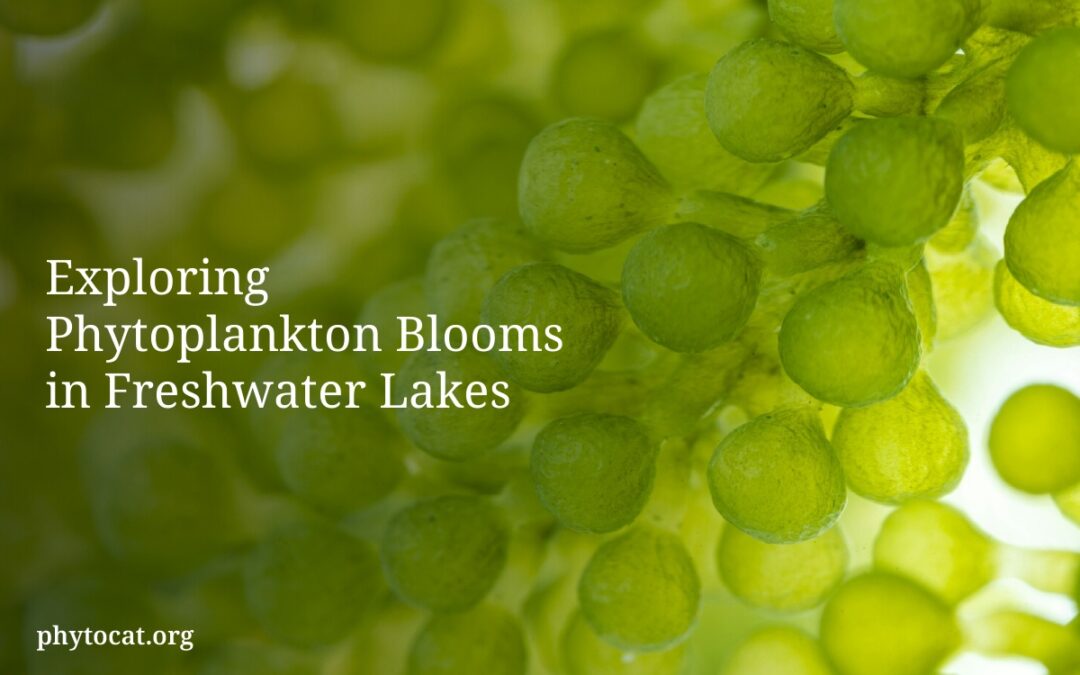
Phytoplankton blooms are an amazing natural event in freshwater lakes. They are vital to aquatic ecosystems. These tiny plants turn sunlight into energy and greatly impact lake health and life.Phytoplankton blooms can be good or bad. They help fish grow and add to...
by phytocat | Jun 13, 2024 | Phytoplankton and Environmental Science
Iron is key for phytoplankton growth and ocean health. It’s very important in places like the Southern Ocean. Here, iron affects how much phytoplankton can grow.Small amounts of iron can cause big phytoplankton blooms. These blooms are so large, they can be seen...
by phytocat | Jun 11, 2024 | Phytoplankton and Environmental Science
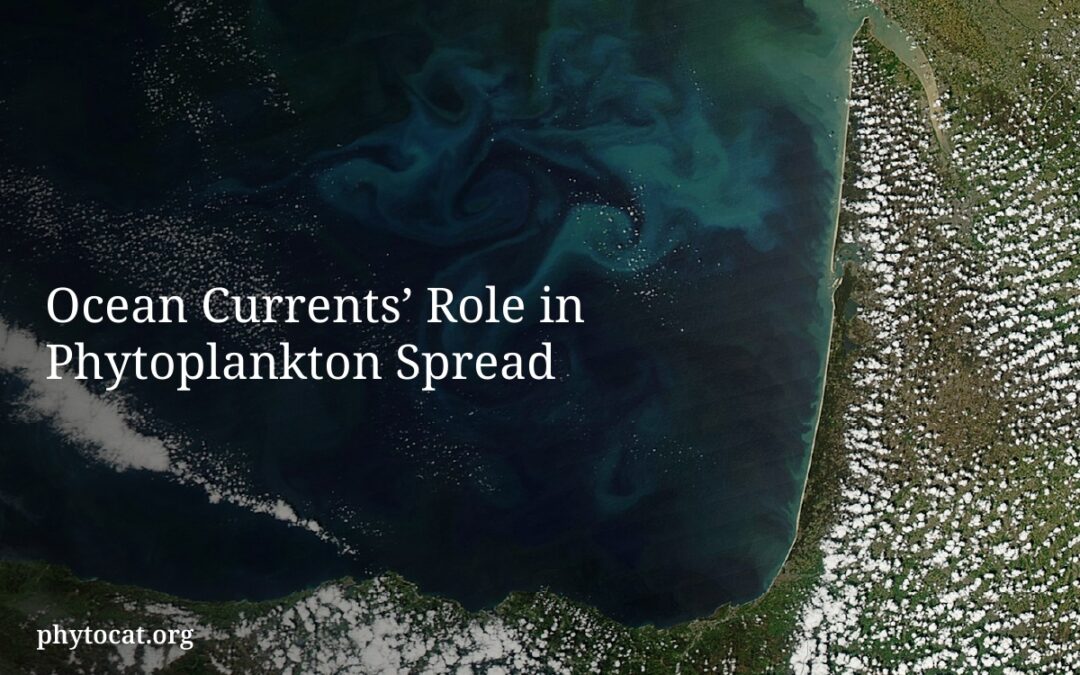
Ocean currents are key in spreading phytoplankton, tiny marine organisms crucial to marine life and our planet’s health. Studies from Princeton University show these organisms travel vast ocean distances in under a decade. This quick movement helps recolonize...
by phytocat | Jun 6, 2024 | Phytoplankton and Environmental Science
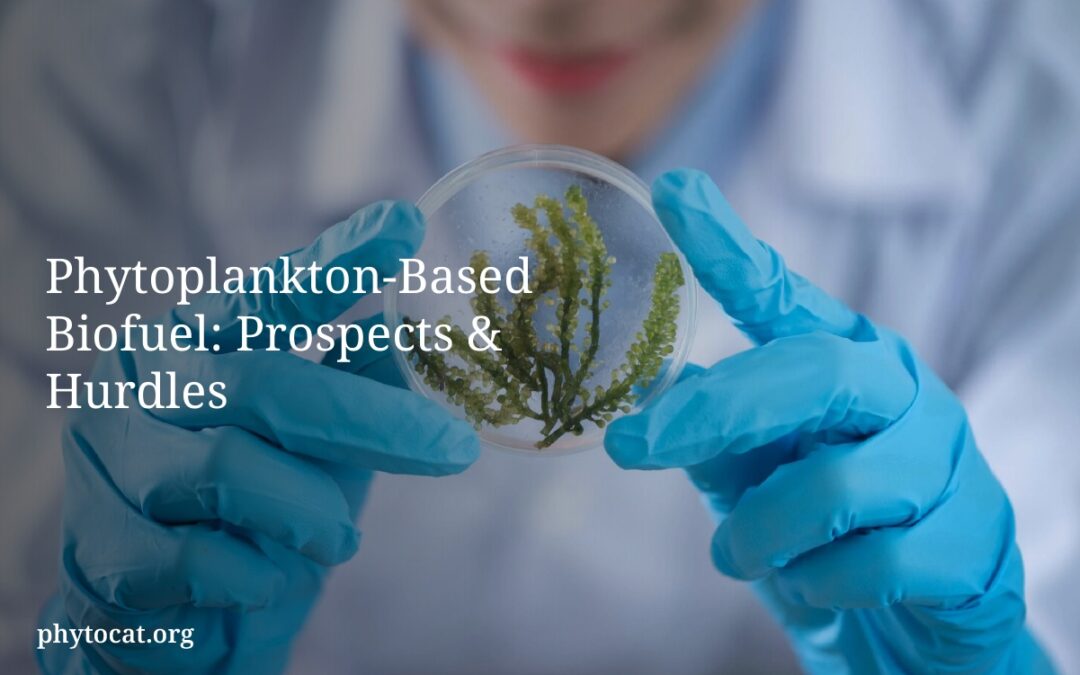
Phytoplankton play a big role in aquatic ecosystems and are now seen as a key biofuel source. They turn sunlight and nutrients into biomass very efficiently. This makes them a great choice for sustainable energy. With growing worries about climate change and harm to...
by phytocat | May 30, 2024 | Phytoplankton and Environmental Science
Phytoplankton are tiny organisms that are key to ocean life. They use sunlight to turn carbon dioxide and nutrients into energy. This is done through a process called photosynthesis. This not only helps them grow but also feeds a variety of marine life.They are an...
by phytocat | May 21, 2024 | Phytoplankton and Environmental Science
Microplastics pose a big risk to marine ecosystems. They impact phytoplankton populations greatly. About 358 trillion tiny plastic particles float in our oceans. These microplastics harm many sea creatures. They also mess up important ocean functions like carbon...