by phytocat | Jun 19, 2024 | Phytoplankton and Environmental Science
Phytoplankton blooms are an amazing natural event in freshwater lakes. They are vital to aquatic ecosystems. These tiny plants turn sunlight into energy and greatly impact lake health and life.Phytoplankton blooms can be good or bad. They help fish grow and add to...
by phytocat | Jun 6, 2024 | Phytoplankton and Environmental Science
Phytoplankton play a big role in aquatic ecosystems and are now seen as a key biofuel source. They turn sunlight and nutrients into biomass very efficiently. This makes them a great choice for sustainable energy. With growing worries about climate change and harm to...
by phytocat | May 30, 2024 | Phytoplankton and Environmental Science
Phytoplankton are tiny organisms that are key to ocean life. They use sunlight to turn carbon dioxide and nutrients into energy. This is done through a process called photosynthesis. This not only helps them grow but also feeds a variety of marine life.They are an...
by phytocat | May 16, 2024 | Phytoplankton and Environmental Science
Phytoplankton are at the heart of marine life, serving as its base. They play a big role in the earth’s cycles. Keeping an eye on them helps us understand the ocean’s health. This becomes more critical as our climate changes.Studies by people like Bolaños...
by phytocat | May 10, 2024 | Phytoplankton and Environmental Science
Genetic diversity in phytoplankton is key to their role in ecology and evolution. These tiny algae show amazing diversity. They vary in their family tree, shapes, and bodily functions. Studies have started to show how different each phytoplankton is from another. But...
by phytocat | Apr 25, 2024 | Phytoplankton and Environmental Science
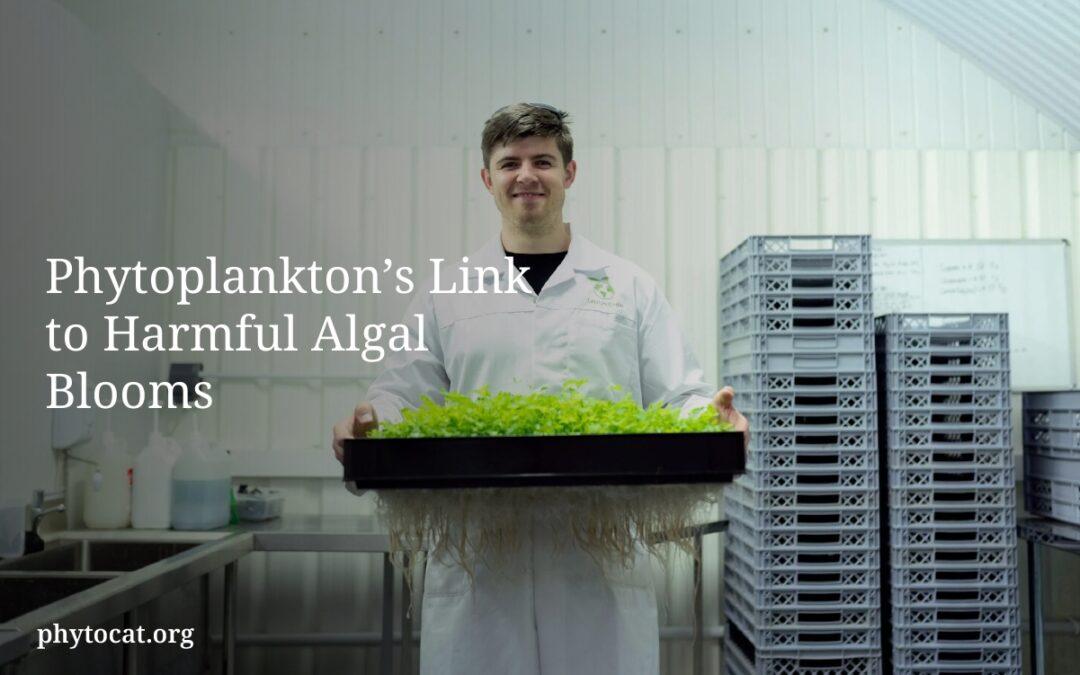
Phytoplankton are tiny plants that serve as the base of marine food chains. They include about 5,000 species, but only a few are harmful. These harmful types can create toxins, causing harmful algal blooms (HABs).HABs damage the environment and cost the U.S. around...