





Phytoplankton is a type of plant that is abundant in the oceans and can be harvested in a way that can provide a resource for future generations.
The process of phytoplankton oil production and its use as a renewable energy source is still in its early stages. But the first steps have been taken, and the possibilities for harnessing this resource are exciting.
In this post, we’ll discuss how we can use phytoplankton to make fuel. We’ll also cover the basics of how phytoplankton oil is made, how it’s processed, and how it’s used in a number of industries.
What is Phytoplankton?
Before reading further, you must understand what phytoplankton means. The word is derived from the Greek words Phyto (plant) and plankton (wandering).
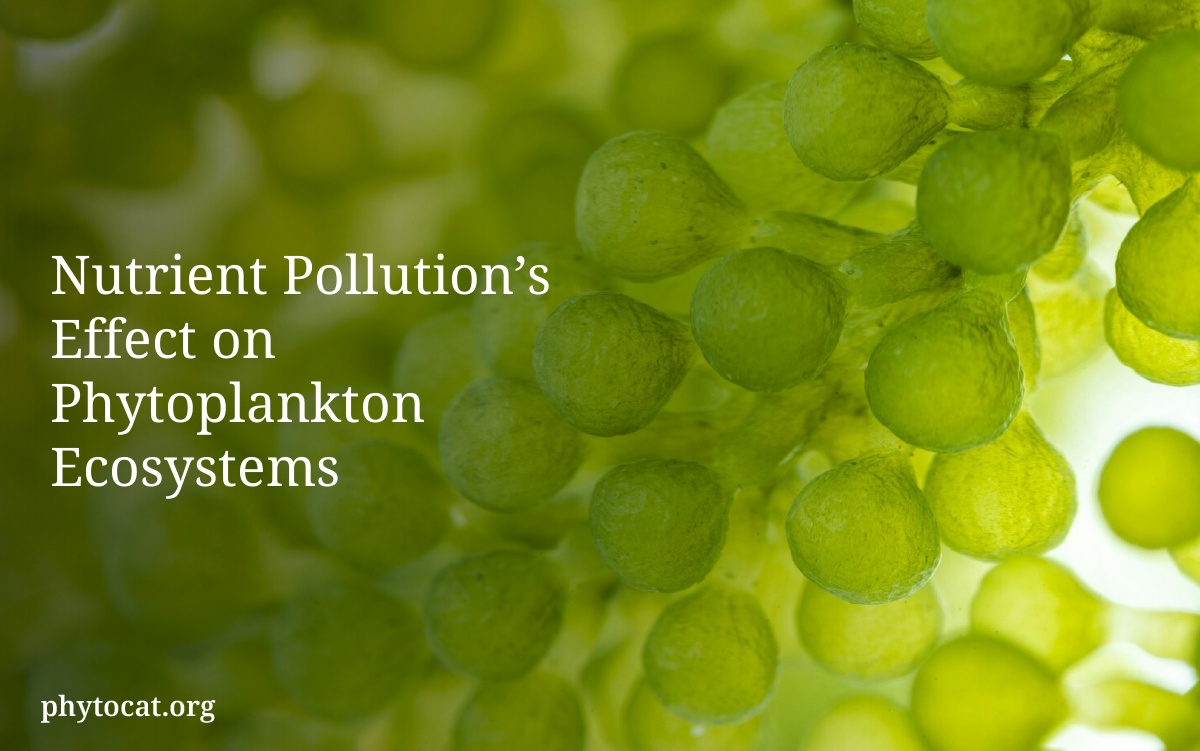
People think that phytoplanktons are ocean plants, but they are single-celled organisms that can survive in both fresh and salty water environments. Plankton’s history dates back to more than 3 billion years. Phytoplanktons create the earth’s atmosphere, and as you’ll discover in this article, they can be a useful fuel source.
Can You Convert Phytoplankton into Fuel?
Some Japanese researchers discovered a new type of phytoplankton that can be easily converted into petroleum. The specific phytoplankton was discovered in 2013 during a voyage during a research venture in the Chukchi and Beaufort Seas.
Originally, their research showed that the planktons could only produce a specific component found in petroleum. Since then, researchers have to study if the specific phytoplankton can assemble and produce the same material in gasoline and diesel fuel.
Other Researches on Phytoplankton and Fuel Production
Apart from the Japanese researchers, other companies and independent scientists have grown interest in understanding this phenomenon.
A certain Spanish company has been researching how to produce fuel from phytoplanktons. Their goal is to produce an inexhaustible source of biofuel using these planktons.
The company has so far produced large quantities of unrefined oil, but they haven’t refined it into usable fuel. Also, other biofuel companies have been researching how they can potentially breed these organisms and extract oil from them. However, the process is long and tedious, but the end product might be sold at a lower price, which could relieve the consumers.
How Does Phytoplankton Produce Fuel?
Phytoplanktons, which are marine algae forms, convert carbon dioxide to biofuels and high-value bioactive in small quantities. It’s a more cost-effective way of getting fuel, and it’s also environmental friendly.
Most plankton species are rich in oil, and the great news is that they grow rapidly. Planktons double their biomass in 24 hours. In short, about 10% of their population can be sufficient to produce algal fuel to satisfy the current needs.
The idea of using algae as a source of fuel isn’t new more companies seem to be taking it seriously now, especially with the escalating fuel prices. There is also a concern that global warming is brought about by burning fossil fuels.
How to Go About Fuel Production from Phytoplankton
The researchers’ goal is to identify specific microalgae and appropriate growth conditions that can facilitate the biosynthesis of long-chain hydrocarbons. These microalgae should also have great biofuel potential. All this is possible with the co-operation between scientists, researchers and interested companies.
Marine phytoplankton can also be grown on arid land using special growth chambers. This will avoid issues like land competition because there is no need to grow food crops in such places.
The microalgae don’t need any freshwater, which might be scarce and expensive in some areas. Instead, most phytoplanktons thrive on salty water.
Several algal cultivation centres could be built, especially in desert regions, which have plenty of unproductive lands, but access to seawater and sufficient sunlight.
Conclusion
In summary, there is great potential in using phytoplanktons to produce fuel, which has been studied extensively. It’s a renewable and eco-friendly alternative to fossil fuels.
Multiple research facilities have demonstrated that marine algae can effectively convert carbon dioxide into oils and biomass through photosynthesis. These oils and biomass can then be converted into acid oils and biofuels. However, the main challenge is that producing fuel in bulk from phytoplankton is difficult.

- Poke Yoke in Manufacturing: Preventing Errors at Their Source - February 6, 2026
- Integrated Payment Systems: Fueling Scientific Advancement Through Efficient Funding - January 12, 2026
- Professional Distribution Center Cleaning Services Explained - December 13, 2025