



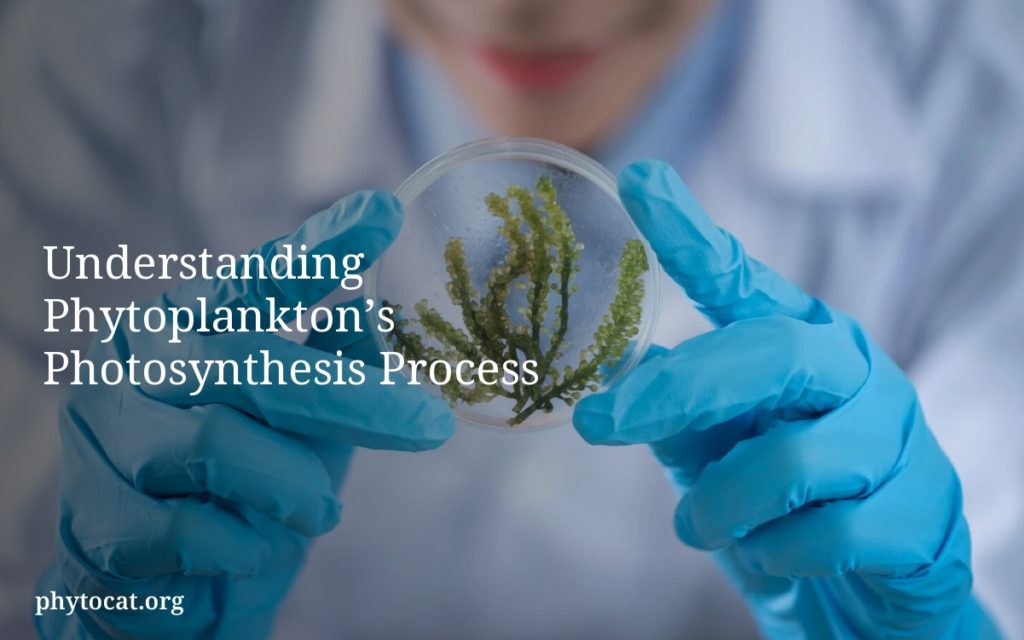
Phytoplankton are tiny organisms that are key to ocean life. They use sunlight to turn carbon dioxide and nutrients into energy. This is done through a process called photosynthesis. This not only helps them grow but also feeds a variety of marine life.
They are an essential food source for creatures like zooplankton, copepods, and baby fish. By supporting these small lives, phytoplankton help sustain bigger marine animals. This includes fish, baleen whales, and even humans who rely on these food chains.
Phytoplankton also play a big part in moving nutrients and energy in the ocean. They start food chains that feed many different animals, from tiny feeders to large predators. They also help control the Earth’s climate. They do this by moving about 10 gigatonnes of carbon from the air to the ocean each year.
Understanding Phytoplankton: The Foundation of Marine Ecosystems
Phytoplankton are key to marine life. They are not only essential for survival but also help Earth breathe. Chlorophyll in phytoplankton plays a big part in producing oxygen and managing carbon levels.
What Are Phytoplankton?
Phytoplankton includes tiny organisms like cyanobacteria and diatoms. They rely on sunlight and nutrients, just like plants do. These organisms live near the ocean’s surface to soak up the sun for photosynthesis.
Water conditions like temperature and nutrient availability affect phytoplankton growth. When conditions are right, they can grow rapidly. This leads to large blooms that play a significant role in the ocean’s food chain.
The Importance of Chlorophyll
Chlorophyll is crucial for phytoplankton. It helps them capture sunlight to make food through photosynthesis. This process takes carbon dioxide from seawater and turns it into organic matter, cutting down atmospheric carbon.
Phytoplankton are responsible for about half of the world’s photosynthesis. This makes them vital for life on Earth. NASA’s Coastal Zone Color Scanner even tracks phytoplankton from space using chlorophyll a levels.
Phytoplankton’s Contribution to the Ocean’s Food Web
Phytoplankton are the base of the ocean’s food chain. They connect all life in marine ecosystems. They turn sunlight into energy, which feeds many marine creatures.
These tiny plants are crucial for nutrient cycling and supporting diverse marine life. They provide food for animals like zooplankton and fish.
Nutrient Cycling and Energy Flow
Phytoplankton play a big role in the ocean’s nutrient cycling. They are the first step in the food chain, feeding organisms like zooplankton and young salmon. This process helps energy move through the marine environment.
Recent studies on a research vessel showed how phytoplankton interact with other sea life. Scientists studied how microzooplankton eat phytoplankton. They used special bottles to see how phytoplankton react to different nutrients.
Impact of Phytoplankton Blooms
Phytoplankton blooms can change ocean life a lot. They can provide more food for fish and other creatures. But, they can also cause big environmental problems.
These blooms show how quickly phytoplankton can adapt to changes. They signal changes in the environment. Climate change could lead to fewer phytoplankton, which would upset the food web.
Phytoplankton are important for carbon cycling. They absorb CO2 during photosynthesis and help with climate change by storing carbon in the deep ocean. They are also the ocean’s main oxygen producers, especially the diatoms, making lots of the Earth’s oxygen.
Interactions within the Marine Food Web
The marine food web is like a complex puzzle. It features many connections among different sea creatures. At the bottom, we have phytoplankton. These tiny plants are key players in the ocean. They help produce most of the oxygen we breathe and capture carbon.
Phytoplankton serve as the foundation by turning sunlight into energy. When zooplankton eat phytoplankton, they start a chain of eating and being eaten. This chain affects the whole marine ecosystem.
As energy passes through the food web, only about 10% moves from one level to the next. This shows how important balance is in the ocean. Huge numbers of phytoplankton support various predators. These predators include fish and whales that need to eat to survive.
Changes in the numbers of sea creatures can shake up the marine food web. Losing even one important species can have big impacts. This shows how delicate the balance is in the ocean.
In the ocean, there’s an unusual situation where there are more predators than plants. But, because phytoplankton grow so fast, they keep the ocean life balanced. Their quick growth helps maintain the food web and the health of the ocean.

- Poke Yoke in Manufacturing: Preventing Errors at Their Source - February 6, 2026
- Integrated Payment Systems: Fueling Scientific Advancement Through Efficient Funding - January 12, 2026
- Professional Distribution Center Cleaning Services Explained - December 13, 2025