

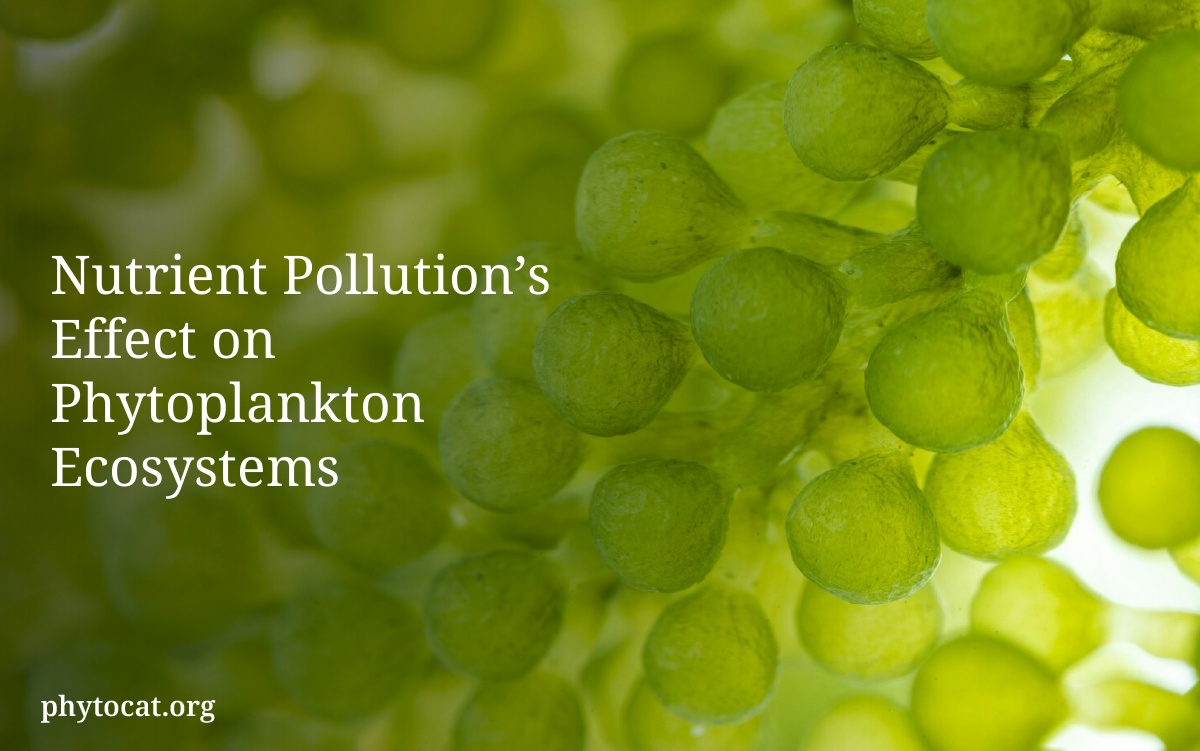


Phytoplankton are tiny organisms crucial for deep-sea ecosystems. They generate about half of the Earth’s oxygen. This makes them key to marine health and biodiversity.
These organisms are also central to the ocean’s primary production. They help convert carbon dioxide into organic matter and oxygen. This process supports nearly half of all marine life.
Phytoplankton use photosynthesis to affect vital biogeochemical cycles. They help regulate carbon, nitrogen, and phosphorus. This is especially key as our climate changes.
Rising ocean temperatures can change phytoplankton populations. This impacts the whole marine ecosystem. Phytoplankton support food webs, feeding creatures from zooplankton to large marine mammals.
Understanding phytoplankton’s environmental interactions helps us see their role in ecosystem resilience. Protecting them is essential. It ensures the future health of our oceans and their diverse life.
Understanding the Importance of Phytoplankton
Phytoplankton are tiny but mighty members of the ocean. They are the main food source in marine ecosystems. These small organisms feed everything from tiny zooplankton to big fish and whales. They use sunlight to turn water and carbon dioxide into food and oxygen. This process is called photosynthesis.
Phytoplankton as the Foundation of Marine Food Webs
Phytoplankton are the base of marine food chains. They keep the ocean’s ecosystems diverse and balanced. A study found that phytoplankton are increasing in over half of the ocean. This makes the ocean look greener and helps feed more marine animals.
Photosynthesis and Oxygen Production
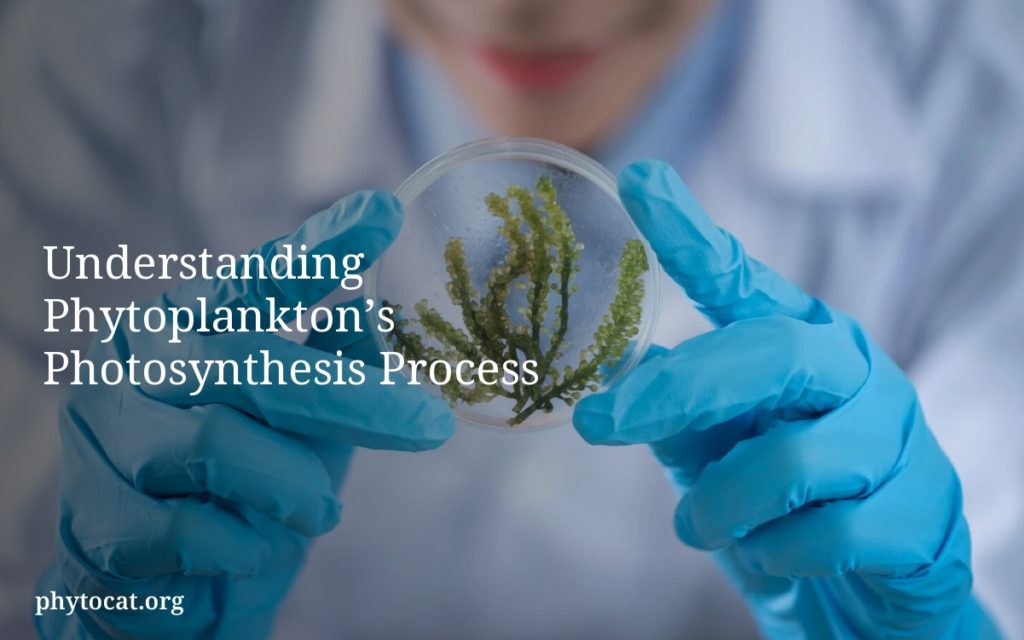
Phytoplankton do about half of the world’s photosynthesis. This means they also produce half of our oxygen. They take in carbon dioxide and give out oxygen. This is essential for life on land and in the sea. They help keep our air clean and support life everywhere.
Biogeochemical Cycles and Climate Regulation
Phytoplankton play a big role in Earth’s climate. They help control the levels of nitrogen and phosphorus in the ocean. They also take in carbon dioxide, which helps fight climate change. The ocean has absorbed a lot of carbon dioxide because of phytoplankton. Each year, they help move 10 billion metric tons of carbon from the air to the ocean. This shows how important they are in controlling the climate.
Phytoplankton’s role in supporting deep-sea ecosystems
Phytoplankton are key to the health of deep-sea ecosystems. They support marine life and biodiversity. Climate change, however, threatens these tiny life forms, especially those beneath the surface. It’s crucial to understand their changing environment for ocean health.
Impact of Climate Change on Deep-Sea Phytoplankton
Climate change significantly affects deep-sea phytoplankton. Warmer oceans lead to more subsurface phytoplankton but less surface chlorophyll. This difference changes their productivity levels. Such shifts disturb the marine food chain and relationships within it.
Differences between Surface and Subsurface Phytoplankton
Surface and subsurface phytoplankton play different ecosystem roles. Surface types depend on light and nutrients, altered by climate change. Subsurface phytoplankton adapt better to warmer waters. This adaptation affects nutrient availability and impacts the marine food web.
Consequences for Marine Biodiversity and Ecosystem Health
Phytoplankton changes impact marine life and ecosystems. Reduced diversity and numbers of phytoplankton threaten other species, even those higher up the food chain. This also affects fisheries and our food sources. Keeping phytoplankton populations healthy is key to protecting deep-sea ecosystems from climate change.
Innovative Research and Monitoring of Phytoplankton
Understanding the way phytoplankton work is key to keeping the deep sea healthy. New research methods are being used because old ways often missed important details. These new techniques help scientists see the hidden parts of phytoplankton populations underwater.
Programs like the Bermuda Atlantic Time-series Study are very important. They give data on how phytoplankton change and react to climate change. This information helps make better plans to keep the ocean healthy despite our changing environment.
In places like the Changjiang River Estuary, the situation is complex. Phytoplankton react to many factors, like changing nutrients and extreme weather. Tools such as ECOM-si are used for predicting these changes. This helps a lot in understanding phytoplankton better and keeping our seas stable.

- Poke Yoke in Manufacturing: Preventing Errors at Their Source - February 6, 2026
- Integrated Payment Systems: Fueling Scientific Advancement Through Efficient Funding - January 12, 2026
- Professional Distribution Center Cleaning Services Explained - December 13, 2025