
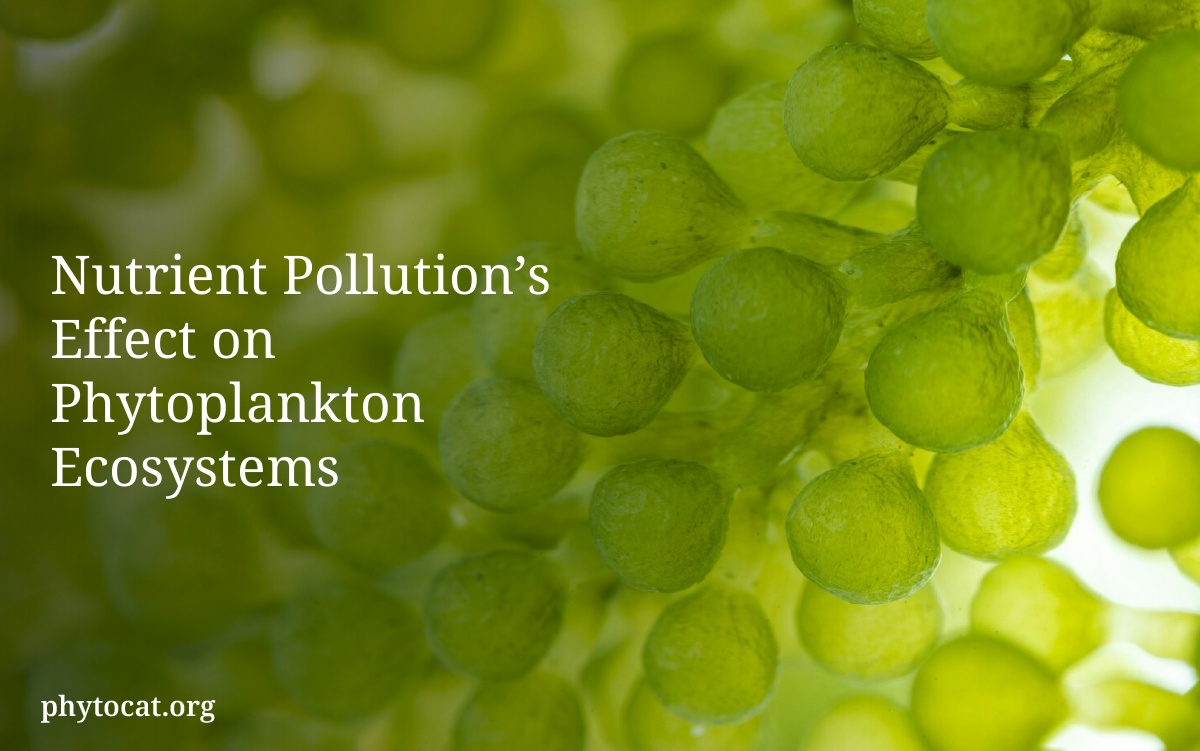


Nutrient pollution poses a major threat to phytoplankton ecosystems, key to aquatic life. This problem comes from too much nitrogen and phosphorus in water bodies. It leads to bad outcomes for the environment.
Phytoplankton are at the start of the aquatic food chain and are crucial for global cycles. But, when nutrients overload, it can cause harmful algal blooms. These blooms harm the water’s oxygen levels, hurting the ecosystem.
Human actions, like farming runoff and wastewater release, add to nutrient pollution. These algal blooms can block sunlight. This affects corals and causes oceans to warm and become acid.
This continuous nutrient increase disrupts the balance in ocean life. It shows why it’s vital to know how nutrient pollution affects phytoplankton. We must think about their diversity and the health of water worlds.
Nutrient Pollution: A Growing Concern for Aquatic Life
Nutrient pollution is a big problem for water ecosystems. It comes from too much nitrogen and phosphorus in the water. These substances come from human activities, harming the health of the ecosystem. It’s vital to know where these nutrients come from to control the problem.
Understanding Nutrient Sources
Many things cause nutrient pollution. Here are some:
- Agricultural runoff: Fertilizers from farms get washed into rivers and lakes when it rains.
- Wastewater: Sewage treatment plants often release water high in nutrients into waterways.
- Urban runoff: Rain can carry lawn fertilizers into rivers and lakes.
- Atmospheric deposition: Pollution from cars and factories can end up in water, changing its nutrient balance.
Knowing about these sources helps us understand the problems facing aquatic life.
Consequences of Excess Nutrients
Too many nutrients can cause big problems in water. The main issue is eutrophication, which leads to:
- Algal blooms: These are sudden growths of algae that can hurt people and animals.
- Oxygen depletion: When algae die, they use up oxygen in the water, which can kill fish.
- Biodiversity loss: A lack of oxygen changes which animals can live in the water, reducing diversity.
The impact of too many nutrients is huge. It shows why we must tackle nutrient pollution. To keep water ecosystems healthy, we need to understand and solve these problems.
The Impact of Nutrient Pollution on Phytoplankton Ecosystems
Phytoplankton are key players in aquatic systems, transforming sunlight into energy. This action supports the aquatic food chain and helps with carbon cycling and oxygen production. They feed everything from tiny zooplankton to big fish.
The Role of Phytoplankton in Aquatic Ecosystems
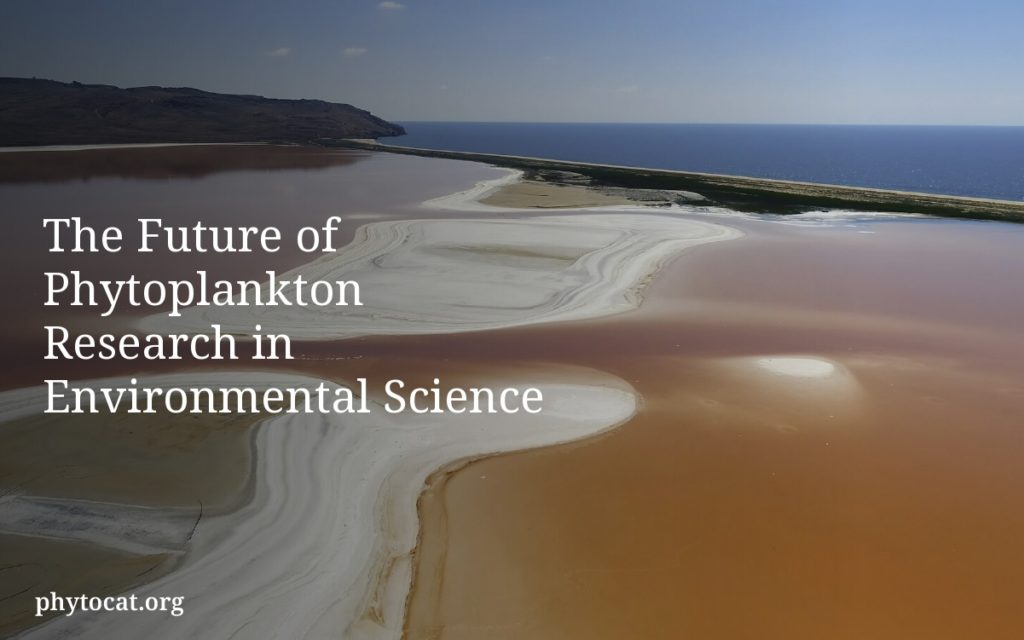
Phytoplankton diversity keeps ecosystems strong. But too much fertilizer and sewage can cause eutrophication, changing competition. Harmful cyanobacteria thrive in such conditions, reducing diversity and harming the ecosystem. This can lead to a toxic algae overload, risking water health.
Effects of Eutrophication on Phytoplankton Diversity
Eutrophication’s effects change how phytoplankton compete. It can create toxic algae monocultures, disrupting food webs. This hurts the economy, especially aquaculture. It shows how all species in water habitats rely on each other, highlighting the need for smart management.
Things to Consider: Toxicity and Hypoxia
Nutrient pollution leading to harmful algal blooms is a serious health issue. These blooms release toxins, affecting animals and humans. They also cause “dead zones” with low oxygen, threatening marine life. Tackling these issues with smart practices is key to protect our water ecosystems.

- Poke Yoke in Manufacturing: Preventing Errors at Their Source - February 6, 2026
- Integrated Payment Systems: Fueling Scientific Advancement Through Efficient Funding - January 12, 2026
- Professional Distribution Center Cleaning Services Explained - December 13, 2025