


Iron is key for phytoplankton growth and ocean health. It’s very important in places like the Southern Ocean. Here, iron affects how much phytoplankton can grow.
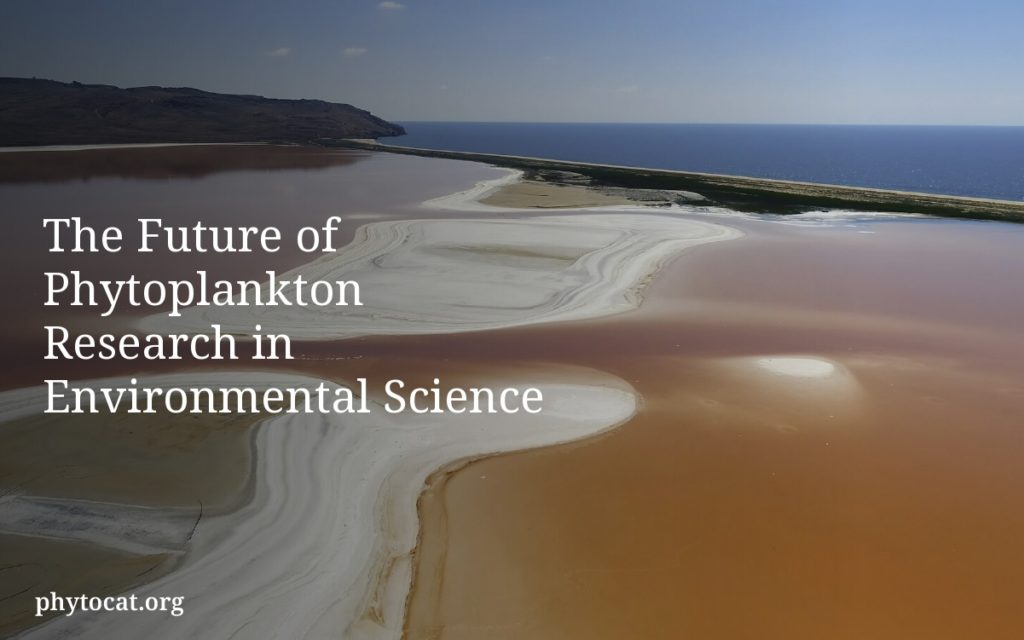
Small amounts of iron can cause big phytoplankton blooms. These blooms are so large, they can be seen from space. They show how important iron is for marine life. It also helps in locking away carbon from the air.
Natural events like volcanoes and dust storms have caused huge phytoplankton blooms before. These blooms have helped reduce the carbon dioxide in the air. Understanding how iron works in the ocean can help us fight climate change. It might help reduce the carbon dioxide levels in our atmosphere.
The role of iron in promoting phytoplankton growth in oceans
Iron is crucial for the growth and photosynthesis of phytoplankton. In regions like the Southern Ocean, iron is more important than nitrogen or phosphorus. Its scarcity can limit how much phytoplankton grow and affect the ocean’s ability to store carbon.
Most iron reaches the oceans through dust from the land. But a lot of this iron just sinks, hardly helping the phytoplankton. The growth of these tiny plants depends on iron, light, and the temperature of the water. More iron means more phytoplankton and bigger blooms that satellites can spot.
Iron that attaches to organic molecules helps more of it stay in the upper ocean. This helps phytoplankton grow by keeping iron levels just right. This balance is key for healthy oceans full of life and nutrients.
- Adding iron where it’s missing can quickly boost phytoplankton numbers.
- In the north, 75% of phytoplankton nutrients come from areas rich in iron, like the Southern Ocean.
- Worries about harming the ocean stopped wide-scale iron addition in 2008, though some small tests are still okay.
We need to better understand how iron affects ocean life. Phytoplankton move 10 gigatonnes of carbon from air to ocean each year. This shows the big role of iron in tackling climate change and boosting ocean health.
Iron Fertilization as a Carbon Dioxide Removal Technique
Iron fertilization is a unique way to remove carbon dioxide by working with ocean ecosystems. It involves adding iron to the ocean’s surface. This helps phytoplankton grow, which helps pull carbon from the air. The aim is to mimic natural events, like dust storms, that boost phytoplankton and help the ocean recover.
Understanding Iron Fertilization
This method uses the ocean’s ability to store more carbon than the air. By creating phytoplankton blooms, it traps carbon in the deep sea as these tiny plants die. However, the success of this process in real-world conditions is still unclear. More experiments in the open ocean are needed to see how well it works.
Historical Observations of Phytoplankton Blooms
Past data links natural iron boosts to big phytoplankton blooms. For example, volcanic eruptions have led to more iron in the ocean. This, in turn, helps lock away more carbon. Understanding these natural events helps scientists use iron fertilization against climate change. With governments and groups like Exploring Ocean Iron Solutions investing in this, it remains a key area for research.
Climate Change and the Importance of Iron
Climate change impacts ocean conditions and iron availability, essential for phytoplankton growth. As temperatures rise, some areas may face iron shortages. This affects the ocean’s ability to capture carbon. Understanding the changes in ocean biogeochemistry due to warming is crucial.
Research shows that warmer waters and nutrient shifts reduce phytoplankton productivity. This makes studying these complex ecosystems even more important. Their health is vital for our planet.
Connection Between Iron and Carbon Sequestration
Iron fertilization could help remove carbon dioxide from the air. Past glacial periods saw natural iron input trap enormous carbon amounts—up to 60 billion tons. Adding iron to the ocean may sequester between 30,000 and 110,000 tons of carbon per ton of iron.
However, effectiveness varies. Only three out of twelve experiments showed significant carbon capture, about 1,000 tons per ton of iron. This emphasizes the need for further research.
Potential Benefits and Challenges of Iron Fertilization
Iron fertilization has potential benefits, like enhanced carbon capture. But, it might disrupt nutrient cycles and harm marine life. The side effects could hurt fisheries and marine productivity. Concerns also include nutrient robbing in iron-dependent tropical regions, which could unbalance ecosystems.
The scientific community is conducting more experiments. They aim to fill knowledge gaps. It’s essential to include public stakeholders in discussions about using iron fertilization in the oceans responsibly.

- Poke Yoke in Manufacturing: Preventing Errors at Their Source - February 6, 2026
- Integrated Payment Systems: Fueling Scientific Advancement Through Efficient Funding - January 12, 2026
- Professional Distribution Center Cleaning Services Explained - December 13, 2025